A common theme among guitar-watchers is the ever-increasing price of any new guitar.
Company X launches a new range, or a new model, and we take a look at a picture on our phones, read through a basic specification and conclude, “It’s too expensive! I’m not buying that. If it was cheaper, I might…”
Forums can get pretty vocal, too: “We’re being ripped off! How can they charge that amount of dosh?” And on it goes…
A surprising number of conversations I have with representatives of guitar companies – usually off the record – are about price, too, from asking if I think the price is ‘right’ to pondering that a recent price rise might affect their sales.
We’d all like everything to be cheaper, be it our weekly food shop, beer, petrol and so on. But guitars aren’t just commodities, they’re musical instruments to fuel our passion, our hobby, and perhaps even a tool to help pay those rising bills.
Personally, over many years of evaluating instruments, I’ve always found ‘value for money’ a hard thing to quantify and fought to update our review rating system. Price alone doesn’t mean a cheap-as-chips guitar is better value for money than a Custom Shop dream.
If resale value is important, then, of course, it’s bundled in with condition: don’t play the guitar and you’ll get more when you come to sell it!
You might play the former a few times and it does the job but doesn’t really inspire you, while the latter becomes your tool of choice for years and years. Which is the better value?
But we can’t look into a crystal ball when we first engage with an instrument, of course. As we discuss elsewhere, with conventional retail changing by the day, being able to try a number of guitars is becoming quite convoluted.
Resale value is another consideration that might make you think Guitar A is better value for money compared with Guitar B, if A is a big-name desirable brand and B is a much lesser-known name of equal quality. Fair enough, but is that really the main reason not to buy a stonkingly good guitar? And if resale value is important, then, of course, it’s bundled in with condition: don’t play the guitar and you’ll get more when you come to sell it!
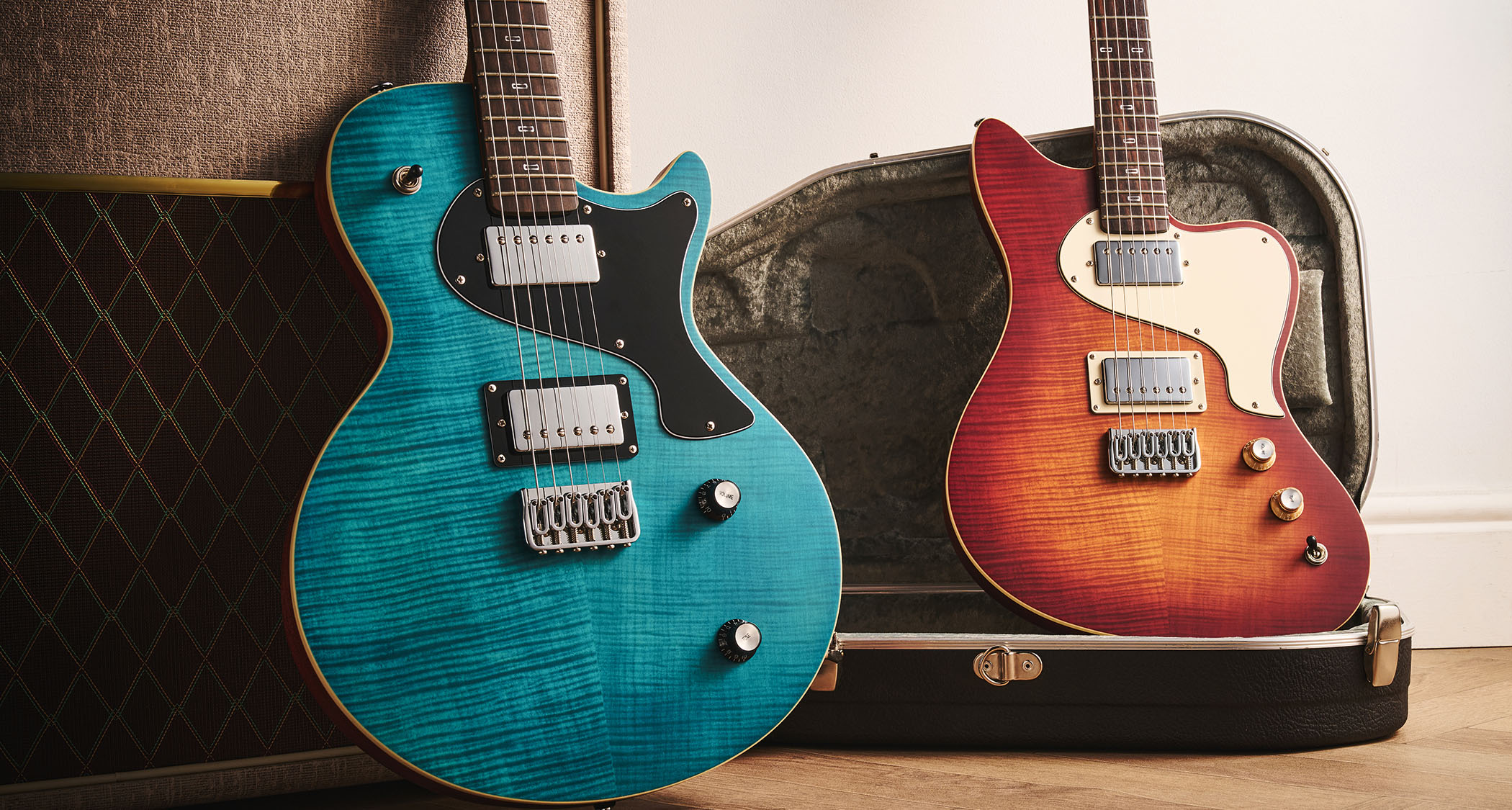
More worryingly, this adhesion to the big names means many of us simply won’t even look at the increasing number of small-’shop guitar makers. Three of the winners in the highest-tier Prestige Guitars category are UK builds, for example – instruments that define the craft – and in speaking with each of the makers you feel a huge connection to the instrument.
But plenty might conclude that their prices are ridiculous and any value rating would be low. And while these obviously aren’t budget or beginner guitars, for their quality, craft and musical experience we might actually suggest they’re underpriced.
Prestige Master Built Guitars in the Factory – YouTube

Back in the mainstream world, another trend that makes the expense/value-for-money catch-all hard to nail – certainly in the context of a review – is that we seem to be seeing more instruments that, on launch, cost £999, let’s say.
As we’ve often said, the ‘best’ guitar is simply the one that suits you, regardless of what your mates or the internet think
Three months later, that’s dropped to £799 and six months to a year on it’s reduced even further. It’s the same guitar: maybe it’s been overstocked, maybe it hasn’t engaged with the guitar-buying public.
Too many guitars with too little shelf life? Whatever, if unrealistic or certainly optimistic pricing continues, many looking to increase their purchase value for money will simply hold fire, won’t they?
Will your world end if you pay a little more for something that you really enjoy and use to make music with, whether that’s a bit of home noodling or a pro-level tour? Surely, that’s the best gauge of value for money. As we’ve often said, the ‘best’ guitar is simply the one that suits you, regardless of what your mates or the internet think. Maybe it’s time to reconsider?
- This article first appeared in Guitarist. Subscribe and save.