Rebuilt and Refined: How Dragon Quest VII Reimagined Elevates the Classic RPG
Written by admin on November 20, 2025


by
Evan Norris
, posted 17 hours ago / 993 Views
Generally speaking, Dragon Quest VII doesn’t need a lot of help getting people excited. Thanks to an emotionally powerful narrative, an extensive class system, and an obscene amount of content — not to mention art from Akira Toriyama and music by Koichi Sugiyama, two masters of their respective crafts — the PlayStation role-playing game has won over millions of fans. Not content to rely on nostalgia alone, however, Square Enix has deployed its hype train to alert as many people as possible about the special qualities of the 2000 game, and how those qualities have been alternately preserved and enhanced in its upcoming remake Dragon Quest VII Reimagined. The hype train’s first stop: Manhattan during New York Comic Con last month. I was lucky enough to be on hand for an exclusive 45-minute demo.
In the demo, which takes place just shy of the game’s halfway point, I started in the cozy town of Wetlock. I already had four members in my party: Arus, Maribel, Ruff, and Aishe. As we strolled into the town square, we were greeted by the dulcet tones of a traveling bard, who had all the onlookers transfixed. At this point, I was already astonished at the glow-up. Square Enix built Reimagined from the ground up, and it shows. The 3D character models and textures are all detailed and realistic, while retaining the stylized aesthetic from the original game. A lot has been made of the process by which the new 3D character models were created, whereby the development team crafted real-life physical dolls and then scanned them into the game. I can confirm the effect is extraordinary. It truly does justice to Toriyama’s iconic designs.
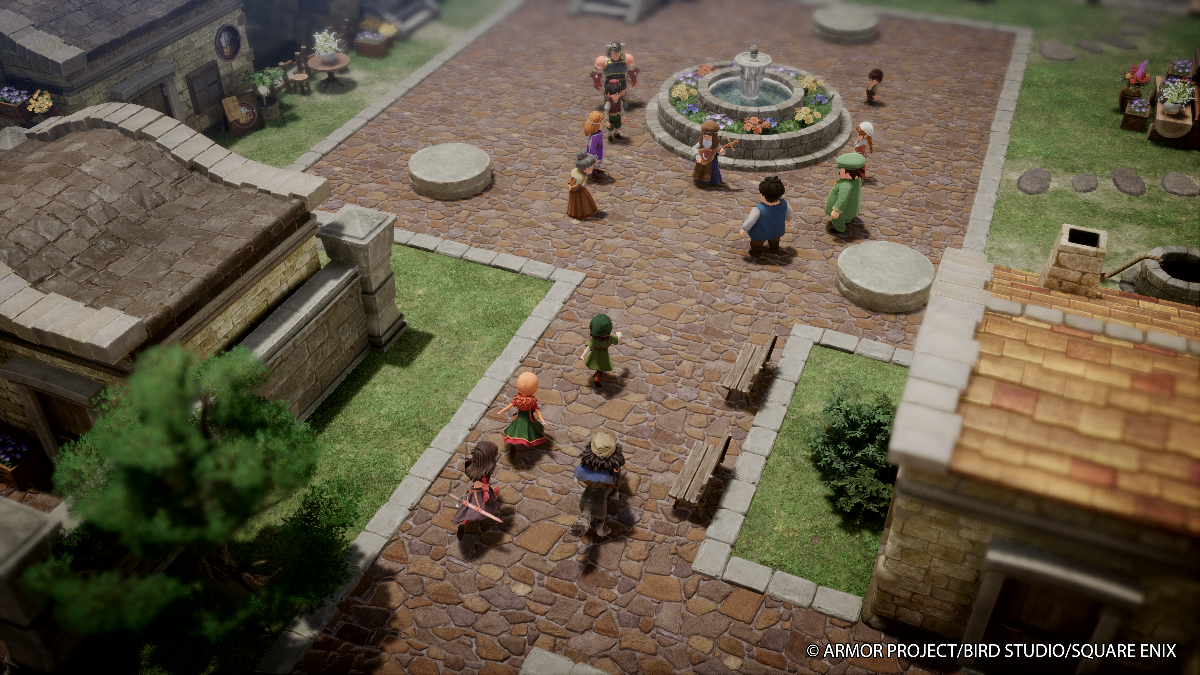
It wasn’t simply the visuals that wowed me. The audio side of things was also impressive. Reimagined is the first version of Dragon Quest VII to feature voice acting, and it makes a big difference. Hearing the townspeople of Wetlock cheer for Old Man Riffer, and the soft, rueful words of the man himself, made everything feel more grounded and real. As for the music, it sounds fuller and more robust than ever before, thanks to a new orchestration. I could listen to the battle theme, “Fighting Spirit”, on repeat for the rest of my life.
The focus of the demo wasn’t really about showcasing the remake’s audiovisual overhaul, though. It was more about combat. “We have a lot of quality-of-life updates that make the battle so much faster and slicker than the original,” said Chad Concelmo, Square Enix Senior PR Manager, while introducing the demo. Those updates include the ability to attack and instantly defeat weaker enemies in the overworld without the need to enter into battle, thus keeping the adventure moving forward; an auto-battling system; multiple battle speeds; and visual indicators showing how effective an attack or spell will be against a specific foe.
The biggest changes, though, involve Moonlighting and “Let Loose”. For those unfamiliar with the PS1 original, it launched in 2000 with an extensive vocation system, which assigned abilities and spells to specific classes, some of which can only be unlocked after mastering other classes. Thanks to a new feature in the remake called Moonlighting, which allows two vocations at once, each hero can essentially double their options in battle. “You can equip two fighting classes and be really powerful, or you can do a fighting class and maybe a mage class together,” said Concelmo. “It’s a great way to customize.”
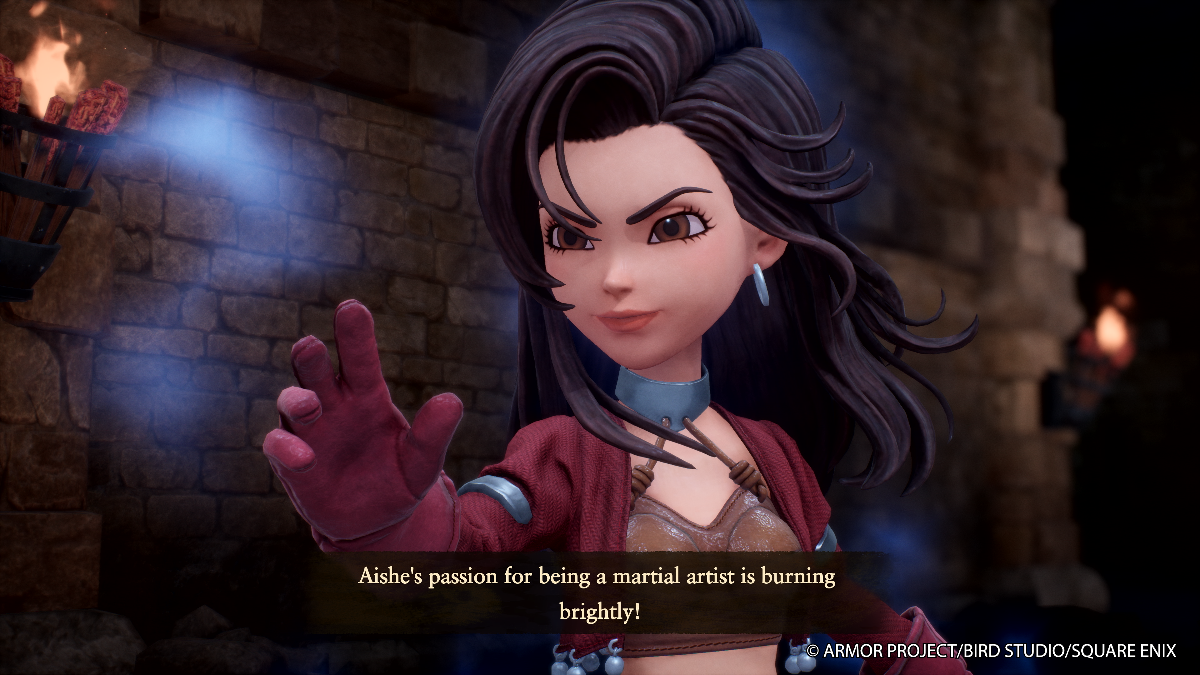
That’s not all. Each vocation comes with a special perk, typically a powerful attack or party buff. If and when a character gets “worked up” in battle, they’ll have the option to “Let Loose” and deploy the perk. For example, I leveraged Aishe’s Martial Artist vocation to activate Critical Stance, which ensured a critical hit on her follow-up attack. It was unclear during the demo what causes each hero to get worked up — whether it’s a result of dealing/absorbing damage or related to a behind-the-scenes timer — but I can confirm it helped turn the tide of battle in my favor more than once.
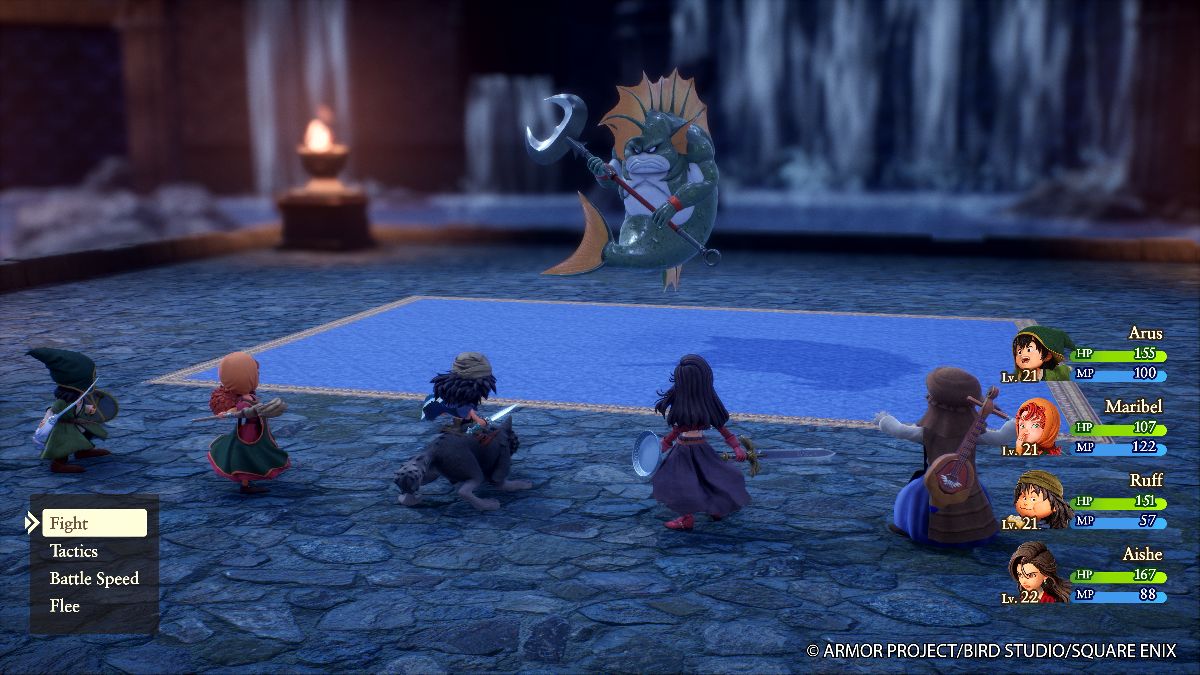
Speaking of battles, they’re no joke in Reimagined. Before I adjusted to the rhythm of combat, I struggled to keep my entire party standing, even against the rank-and-file monsters in the dungeon. It’s important to take advantage of everyone’s skill set to survive. That means healing often with Mirabel, buffing the party consistently with Aishe, dealing DPS with Arus, and capitalizing on Ruff’s high evasion. Only then was I able to confront Gracos, a powerful Merman who acts as the final boss of the demo.
Based on my 45 minutes with Dragon Quest VII Reimagined, I’m eager for more. The spirit of the original remains, augmented with an extraordinary hand-crafted aesthetic, immersive voice-acting, crisper music, a more flexible vocation system, and several helpful quality-of-life fixes that make things smoother and more approachable. It will be interesting to see how the final product is received when it launches February 5, 2026, for Switch 2, Switch, PS5, Xbox Series X|S, and PC. I’m inclined to echo the words of the game’s producer, Takeshi Ichikawa, who said, “It’s going to be an enjoyable experience, not only for the people who’ve played Dragon Quest VII in the past, but also for people who’ve never experienced it before.”