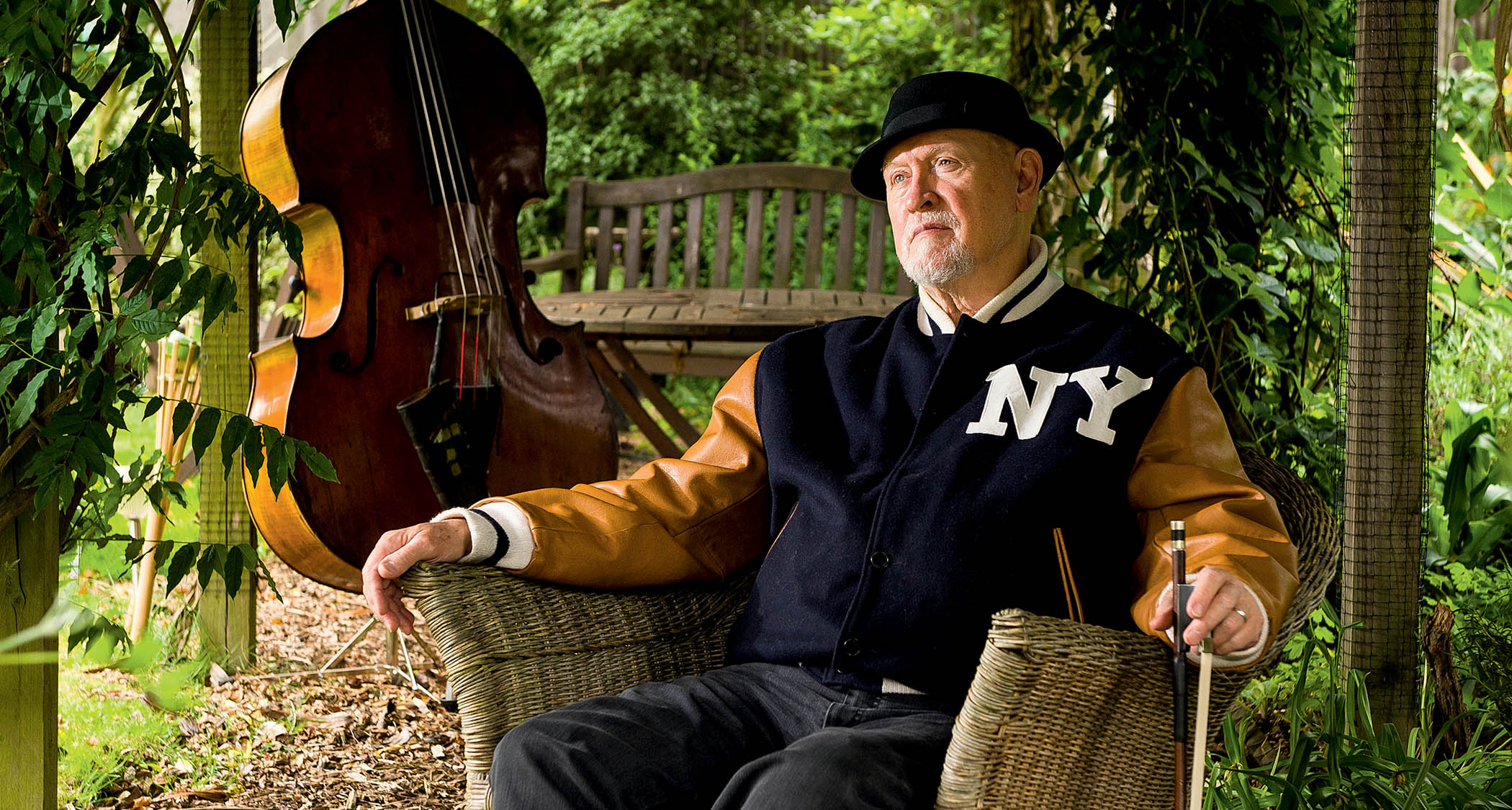
First, a disclaimer: any attempt to exhaustively chronicle the life and times of the late Danny Thompson is a fool’s errand. The talismanic British upright bassist – who died September 23, 2025 at the age of 86 – filled his years with music and misadventure on the grandest scale, lending the fluid thrub of his instrument (a great brown barge nicknamed ‘Victoria’) to a head-spinning thicket of projects and collaborators.
It speaks to Thompson’s versatility that fans have long debated not only the main event of his six-decade career, but even the genre he operated within. Should the headline be his provocative late-’60s work with prog-folk iconoclasts Pentangle? The seminal Five Leaves Left (1969) and Solid Air (1973) albums recorded respectively with the ethereal Nick Drake and Thompson’s fellow carouser, John Martyn?
“I always wanted to be the best at whatever I did,” he told Sid Smith. “I put up a sign above my door which said ‘Practice’. So whenever I left the room, I’d see that sign and it’d remind me what I was meant to be doing.”
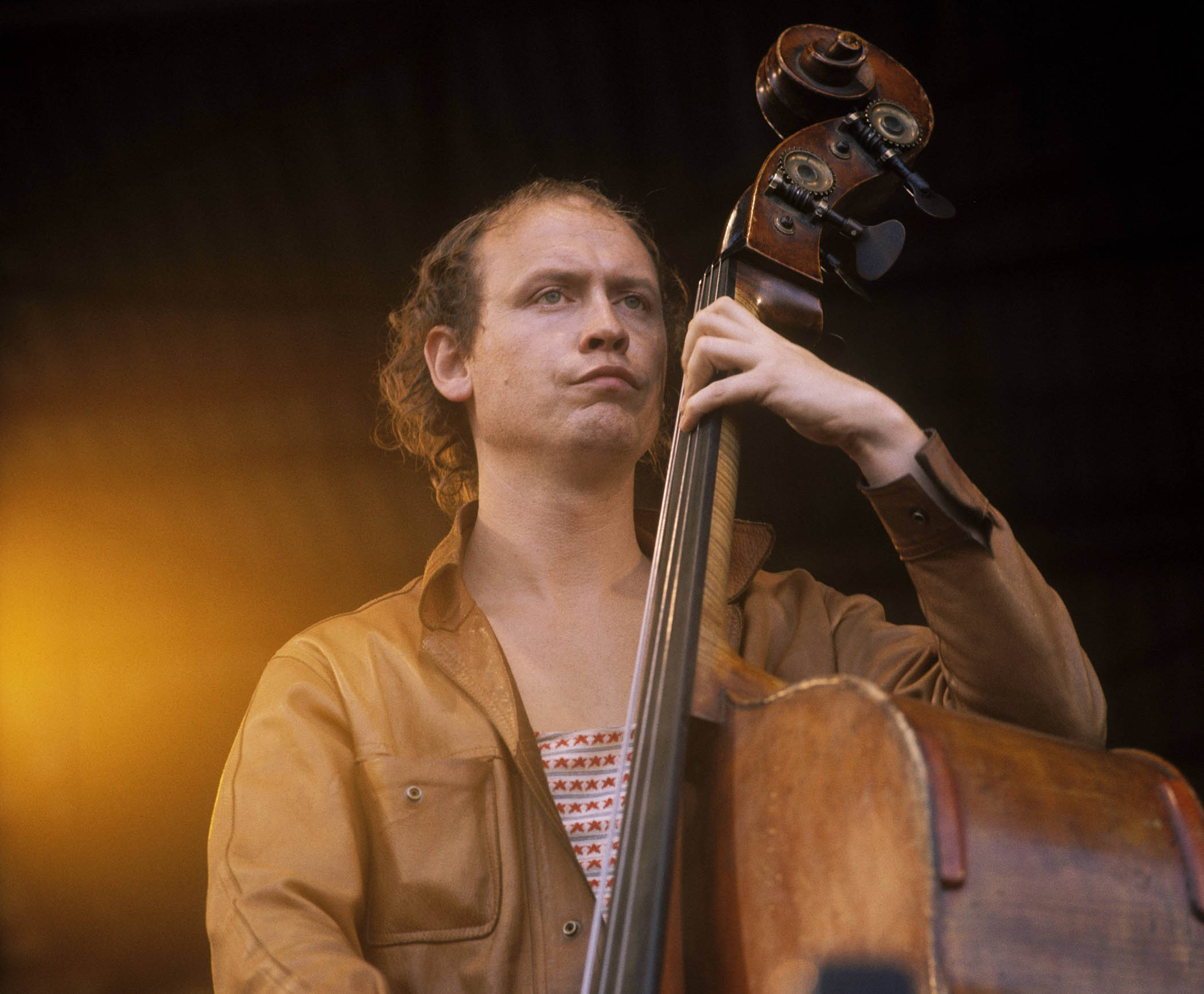
Having met his own high standards, and with his national service out of the way, Thompson was soon known as a capable player and pragmatic freelancer. He played electric bass for the first and only time with Roy Orbison in 1963, before paying £5 for Victoria from “some old boy” and instantly warming to the challenge of feeling his way fretless through a piece.
“I love the physical thing of holding a double bass and searching for the right note,” he explained. “To me, it’s almost an animal thing.”
Filling his diary with Soho strip clubs, US army bases and studio work, the trial-by-fire forced him to become adaptable. “The phone would ring,” he told interviewer Mike Barnes, “and it would be, ‘Can you get to Olympic Studios for 10 till one, and then EMI for two to five?’ They whack the music in front of you… You got three hours to do that piece and if you muck it up you’ve got an orchestra looking at you. It’s frightening.”
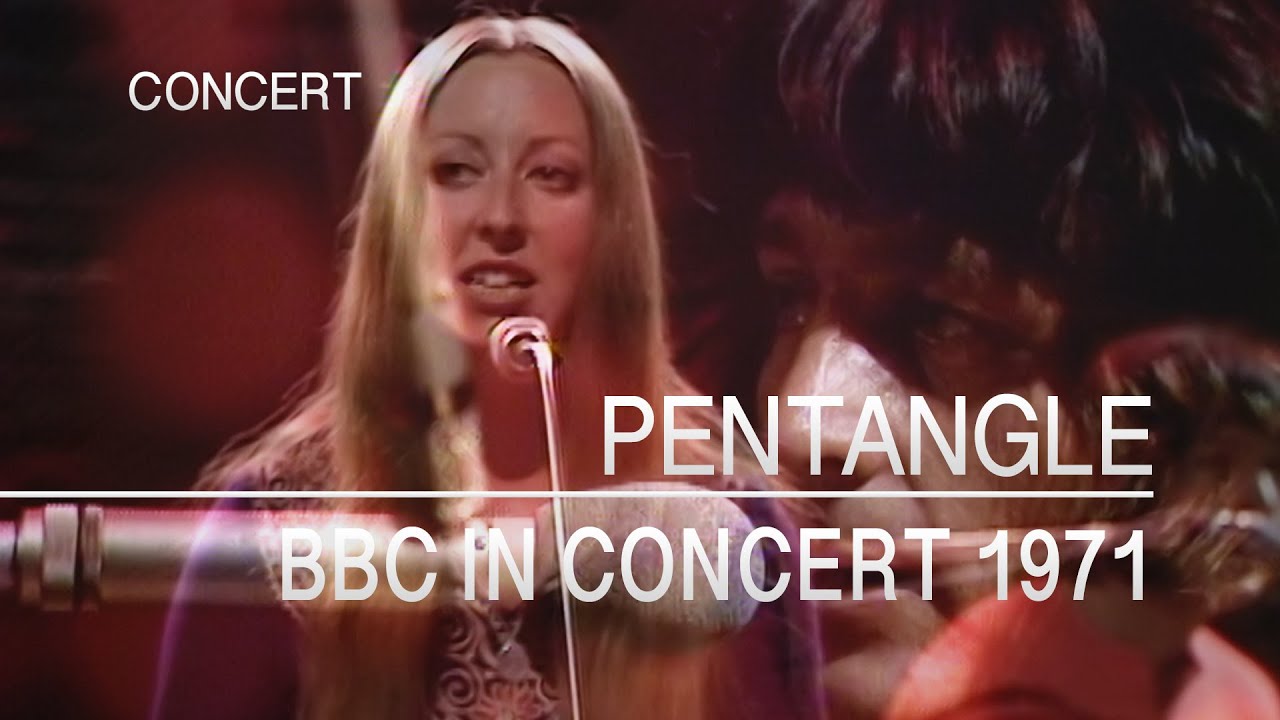
Pentangle – BBC in Concert, 4th January 1971 (FULL SHOW) – YouTube
Weighing up his career in retrospect, it’s clear Thompson naturally operated as a lone wolf, but there were periods when he seemed to crave the camaraderie of a band.
In the mid-’60s, he lent his talents in the longer term to Alexis Korner’s Blues Incorporated, and by 1967 he and that band’s drummer Terry Cox joined Pentangle’s original lineup, the bassist asserting himself even among the boggling guitar lines of Bert Jansch and John Renbourn.
“Soon I had letters threatening me with death,” he told Q of the experimental group’s ruffling of folk-purist feathers, “for getting Bert to play through an amp.”
As the decade turned, Thompson played beautifully on Five Leaves Left – try his propulsive contribution to Three Hours – but never understood Drake as a man (“I tried everything with Nick; I was horrible to him, I was nice to him, I was patronising to him, anything to try and get something out of him”).
With Martyn, the bassist later confessed, he clicked a little too readily. The pair’s under-the-fingernails talent and innate chemistry meant they could perform half-cut and still bring the house down (1976’s Live At Leeds, Thompson reckoned, “was the high point and it was done drunk”). But by the late ’70s, the bassist was a raging alcoholic and knew only a clean break would give him a chance of sobriety.
“We were all completely and utterly out of it,” Thompson told Prog of his combustible brotherhood with Martyn. “Brandy and crème de menthe, I remember very well – Pernod and Irish whiskey was another one. People used to say, ‘How on earth did you put up with him?’ I said, ‘How did he put up with me?’ It wasn’t one-sided.”
While Martyn never quite kicked his habit (and died in 2009), Thompson fired up his old competitive streak, pledging “that when I did give up the drink I was going to be the best at it”. But the bassist’s wild living had burned plenty of bridges and he credited Donovan’s invitation to play on 1981’s Love Is Only Feeling for pulling him out of the mire. “A lot of folkies were snotty about him, but he’s the one who got my confidence back in the early ’80s.”
Thompson worked hard and fast after that, pinballing between projects for Bush (“Just a great creative process… she was definitely in control”) to David Sylvian (“I said, ‘What key is this in?’ and he said, ‘I don’t know.’ I said, ‘Not another guitar player who doesn’t know what chords he’s playing!’ But he was very sweet and we both laughed”).
Thompson even relished the challenge of communicating entirely through his fingers alongside the late Malian kora player Toumani Diabaté and Spanish flamenco duo Ketana, in the late-’80s project Songhai. “It’s totally musical because we can’t talk to each other,” he told Q. “People call it world music, but it’s simply music from the heart. I listen to Toumani play and it’s instant.”
Given the demands on his time, perhaps it was understandable that Thompson took until 1987 to release his debut solo album. When it finally arrived, Whatever was as gloriously obtuse as his career to date: an Atlantic-crossing collision of English folk and Crescent City jazz, always anchored by the by-now roadworn double bass he held on the sleeve.
If I listen to some of the stuff I did in the early days, I think, ‘Blimey! I was all over that!’
“I’m so grateful that I’ve been able to make my own albums and show that what I love is all beautiful, soppy tunes,” he reflected in 1989. “Now it’s this open sound that I’m after, no drums and more space to hear the harmonies and melodies that are mostly English, without getting all nationalistic about it.”
Staying in high demand as a guest player until the wear-and-tear of age slowed him down, Thompson retained a keen sense of when to shine and when to support. He was well capable of virtuosity, but increasingly preferred to weigh each song and dig out sympathetic parts than spray meaningless flurries.
“If I listen to some of the stuff I did in the early days, I think, ‘Blimey! I was all over that!’” he told Prog in 2010. “Whereas maturity brings a bit of simplicity. It’s harder to be simple. Hopefully, I’ve matured as a player.
“When people ask you to play on something, and they may be fans who’ve heard me on something, you go in and do something which you think is perfect for the song; but they’re expecting you to fly about like a demented lunatic because they’re paying what they think is good money for this bloke who has this unbelievable reputation.”
Witty, candid and self-deprecating, Thompson was quick to puncture any importance attributed to him (“I always knew my role – how could I play with Tubby Hayes and be big-headed?”). But that “unbelievable reputation” was writ large in the pan-generation, genre‑crossing tributes paid to the bassist when news of his death broke on 23 September. “A player who served the song and who enriched the lives of every single person he met,” ran the official statement, “Danny was a force of nature.”
Thompson’s death feels like the sudden snipping of a thread that has weaved through the entire rock ’n’ roll era. And while he was declared “such a fine musician” by fusion giant and ’60s collaborator John McLaughlin, and as “one of the best upright bass players I’ve ever worked with” by Bowie producer Tony Visconti, perhaps his loss is best expressed by great friend and King Crimson guitar wizard Jakko Jakszyk, in a personal statement shared with Guitarist.
“He was an inspiring, warm, very funny and extraordinary individual, and his bass sounded like no other. It had a resonance and emotional dynamic all of its own. And all together it made a total one-off. And he himself seemed indestructible somehow. And so I thought he would live forever. I loved him dearly. And the loss is completely heartbreaking. I will always miss him.”
- This article first appeared in Guitarist. Subscribe and save.