- California Academy of Sciences researchers and collaborators described 72 new-to-science species in 2025, including a bird, fish, plants, sea slugs, and insects found across six continents, from ocean depths to national parks.
- The discoveries include the first new plant genus found in a U.S. national park in nearly 50 years — a fuzzy wildflower called the woolly devil spotted by a volunteer in Texas — and the Galápagos lava heron, a commonly seen bird that DNA analysis revealed is actually a distinct species.
- Marine expeditions uncovered colorful new species like a shy perchlet with red spots in the Maldives and 11 new sea slugs, while also revealing significant plastic pollution threatening these poorly understood twilight zone ecosystems.
- One newly described cardinalfish came from a 1997 Cuban expedition that Fidel Castro joined, with the specimen sitting in the academy’s collection for 30 years before being formally studied — demonstrating how preserved specimens can lead to new discoveries as technology advances.
Researchers at the California Academy of Sciences kept busy throughout 2025. Along with collaborators from across the globe, they described 72 new-to-science species from six continents — creatures living in unexplored ocean depths, in plain sight on the Galápagos Islands, and in a U.S. national park.
The species include a bird, two worms, two lizards, one cicada, seven plants, six geckos, 15 beetles, five mollusks, 12 bush crickets, seven fishes, two wasps, 11 sea slugs, and a skink.

One species, the cardinalfish Epigonus zonatus, was found on an ocean expedition joined by Fidel Castro in 1997. The specimen sat in the CAS’s collection for nearly 30 years before scientists formally described it this year.
The California Academy of Sciences is a San Francisco-based research institution with more than 100 scientists and 46 million specimens. As technology improves and scientists learn more about life on Earth, these preserved specimens are leading to new findings.
Some researchers estimate that less than 20% of all the species on the planet have been described, and many will face extinction before they’re named by science.
“Discoveries like these remind us that much of life on Earth remains undocumented and therefore unprotected,” CAS virologist and chief of science Shannon Bennett said in a statement. “Each newly described species adds a crucial piece to the puzzle of understanding.”
The full list of 2025 discoveries includes five bivalves and a gastropod from Monterey Bay in Santa Cruz County, California; two wasp species representing new genera from Australia; a cicada from California documented by iNaturalist; and a katydid.
Botanists described six flowering plants, including specimens from Madagascar, Panama, and three from unprotected Campo Rupestre habitats in Brazil, along with a new moss species from India.
Marine discoveries included the Galápagos lava heron, a perchlet from the Maldives, a soapfish from the eastern Atlantic, and 11 sea slug species.
Researchers also described 10 beetle species from Central and South America, including specimens from Belize, Guatemala, Costa Rica, French Guiana, Brazil, Ecuador, Venezuela, and Panama, with one representing a new genus.
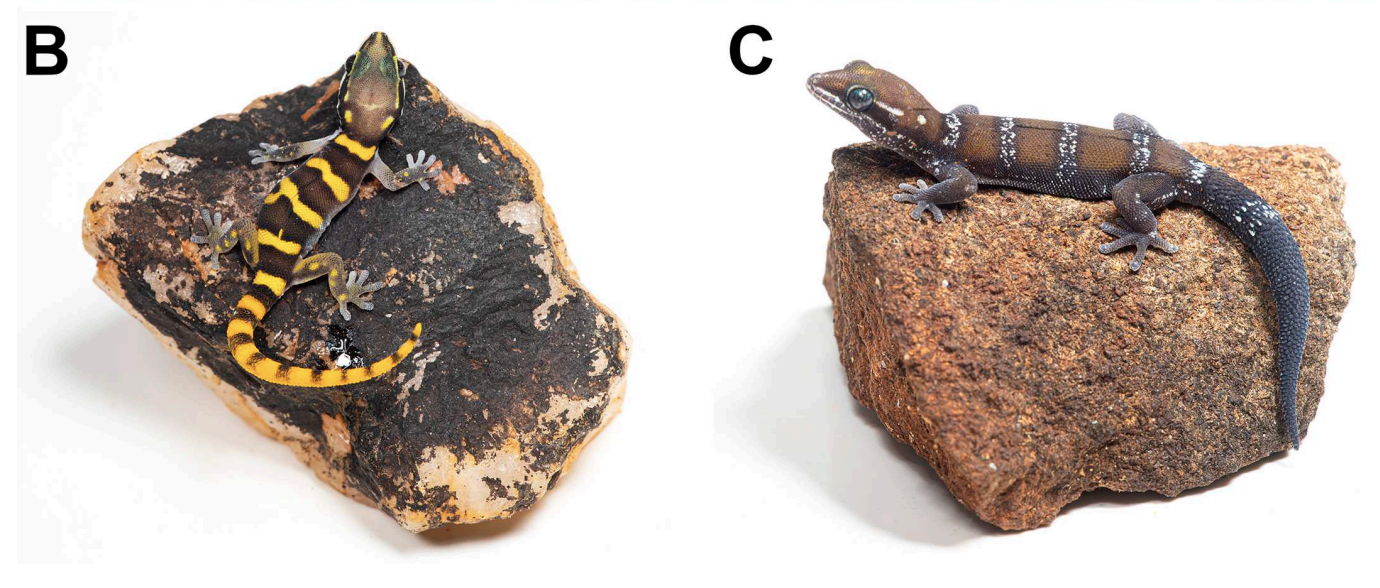
From Africa, scientists described a lizard from Zambia’s Zambezi River Basin, a Namib Day Gecko and skink from Angola, along with six gecko species from Angola and Namibia, including three endangered species.
Additional discoveries included two groundwater worms from Spain and four goby species, one of which was named after Darth Vader.
Here are some of the new species described in 2025 by California Academy of Sciences:
A new sunflower genus in Texas
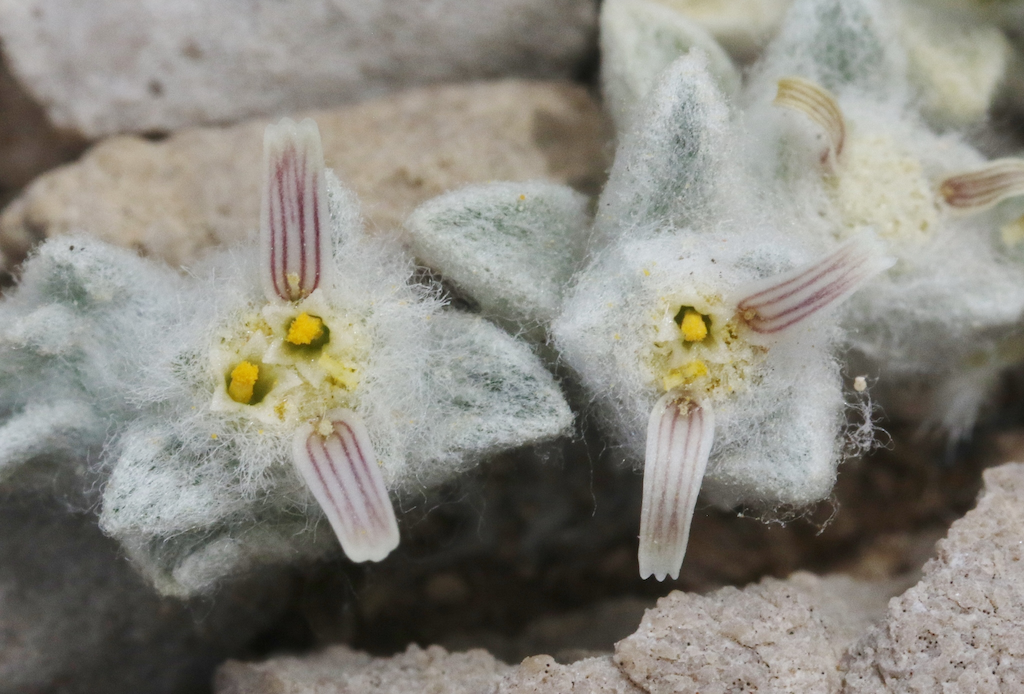
In 2024, park volunteer Deb Manley saw a fuzzy little flower in Big Bend National Park, Texas, and uploaded a photo to the community-science app iNaturalist. The woolly devil (Ovicula biradiata), as it turns out, was an unknown species and a new genus in the sunflower family.
CAS botany curator Isaac Lichter Marck described the new plant, marking the first time in almost 50 years that both a new genus and species of plant have been described from a U.S. national park.
“While many assume that the plants and animals within our country’s national parks have already been documented, scientists still make surprising new discoveries in these iconic protected landscapes,” Lichter Marck said.

The name Ovicula means “tiny sheep,” referring to the white hairs covering its leaves and honoring Big Bend’s iconic bighorn sheep (Ovis canadensis).
Botanists call this a “belly plant” because you have to lie on the ground to see it properly. The small wildflower has fuzzy white leaves and dark maroon petals. It only blooms after rainfall.
A heron in plain sight
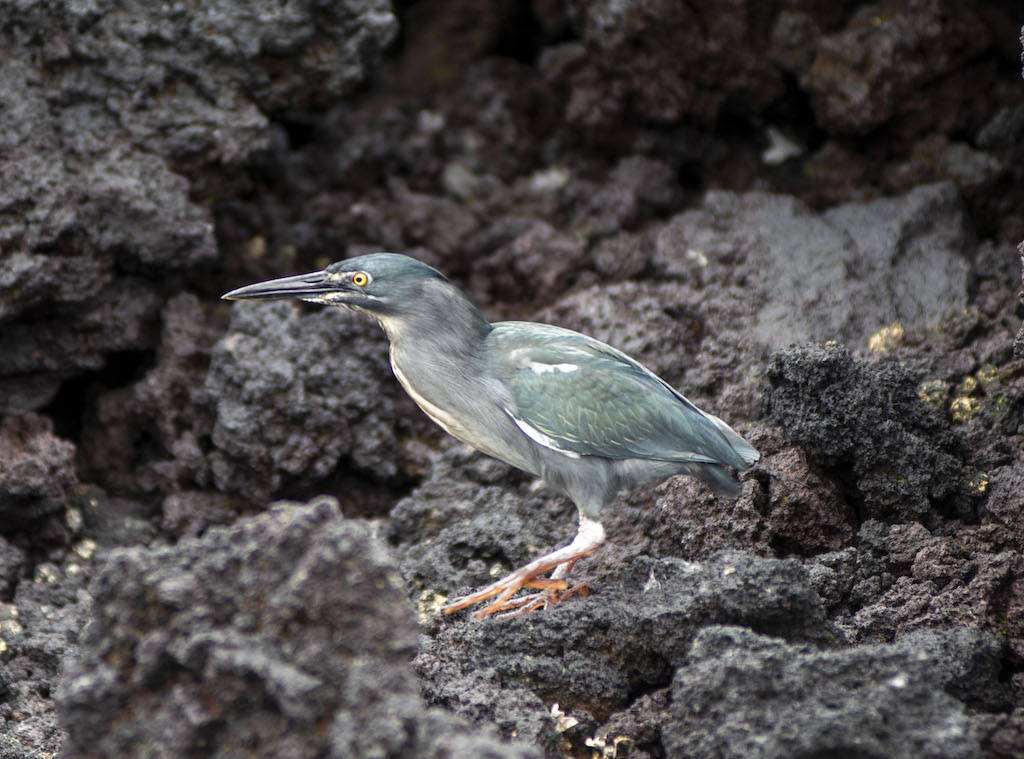
Scientists have finally solved a long-standing mystery about a “common” bird from the Galápagos Islands. The Galápagos lava heron (Butorides sundevalli), which people see all the time around the islands, is actually its own species, not just a type of South American heron like experts previously thought.
“By combining field observations with genetic analysis, we were able to finally unravel the mystery of a bird familiar to locals, tourists and field guides,” said lead researcher Ezra Mendales. “It’s a reminder that even common birds in iconic, well-studied places like the Galápagos can still hold surprises for science.”
The heron has dark gray feathers that blend in with the black volcanic rocks along the coast, and a bigger, stronger beak than its relatives.
“Much like the striated heron, this species has dark, slate-gray plumage, which helps it camouflage against the volcanic rock of the Galápagos coastline,” Mendales said. Although color differences between populations have made the species difficult to classify, these variations reveal ongoing evolutionary changes tailored to specific habitats.
A colorful fish in the Maldives
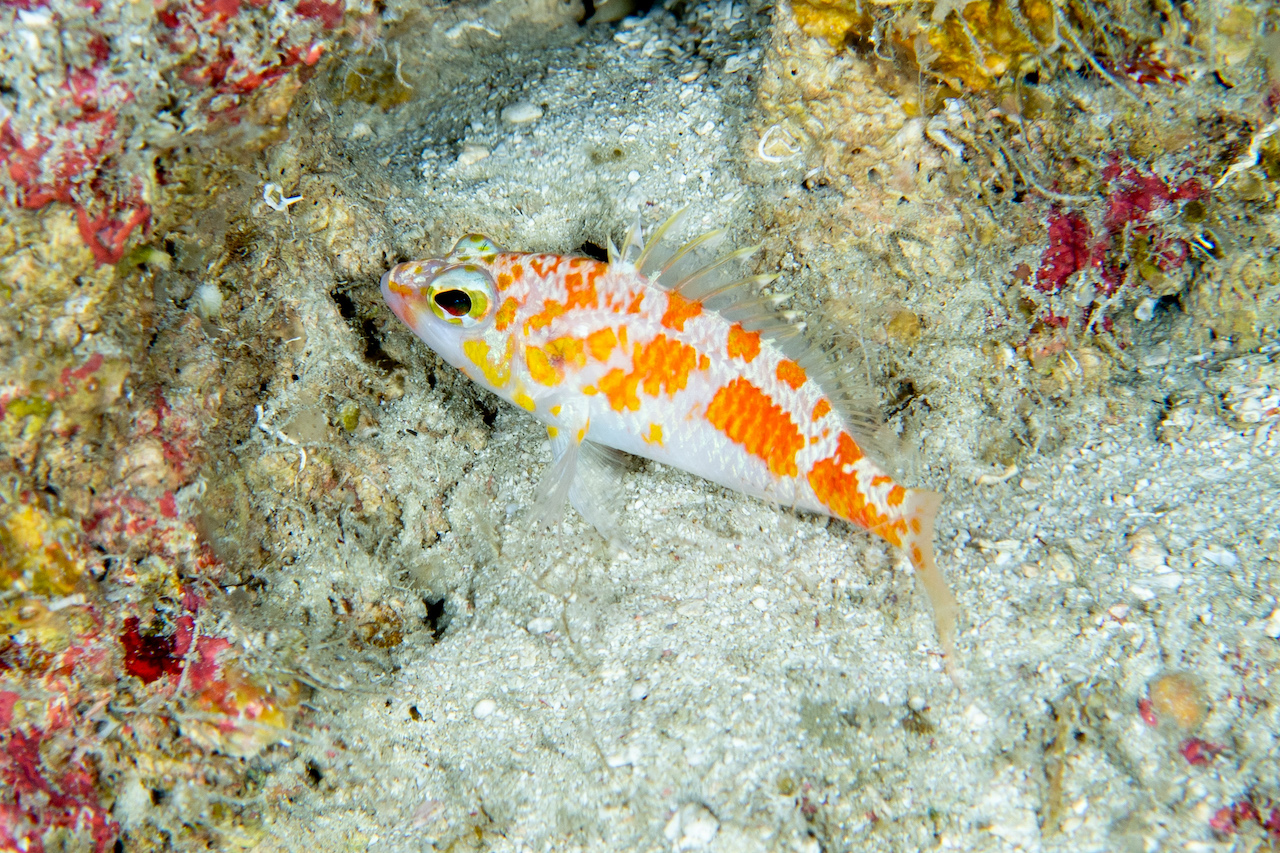
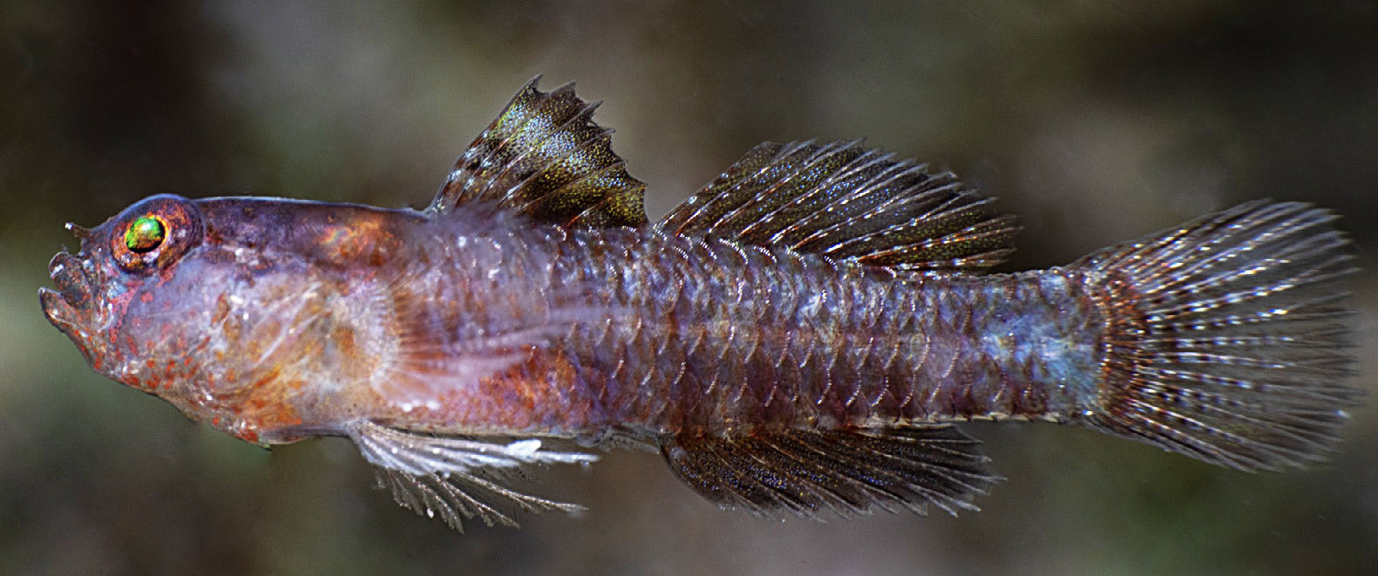
Luiz Rocha discovered a colorful new fish species while diving 122 meters (400 feet) deep in the Maldives. It was the fish’s colorful pattern that tipped him off. Unlike other fish in the perchlet family that have bold vertical stripes, this one had light red spots instead. This unique pattern made it stand out, even in the dim light of the deep reef.
The fish, Plectranthias raki, was named after a local word in the Dhivehi language. “Raki” means “feeling shy to confront people,” which Rocha said describes how this timid fish behaves.
Rocha, who serves as the ichthyology curator at CAS, regularly explores these deep reefs, called the twilight zone. While discovering new species, he also notices serious pollution problems.
“We see all kinds of plastic pollution at these depths — discarded fishing lines, anchor ropes, and other human-produced trash — underscoring the need to protect these deep-reef ecosystems and the unknown biodiversity they harbor,” he said.
A slew of sea slugs
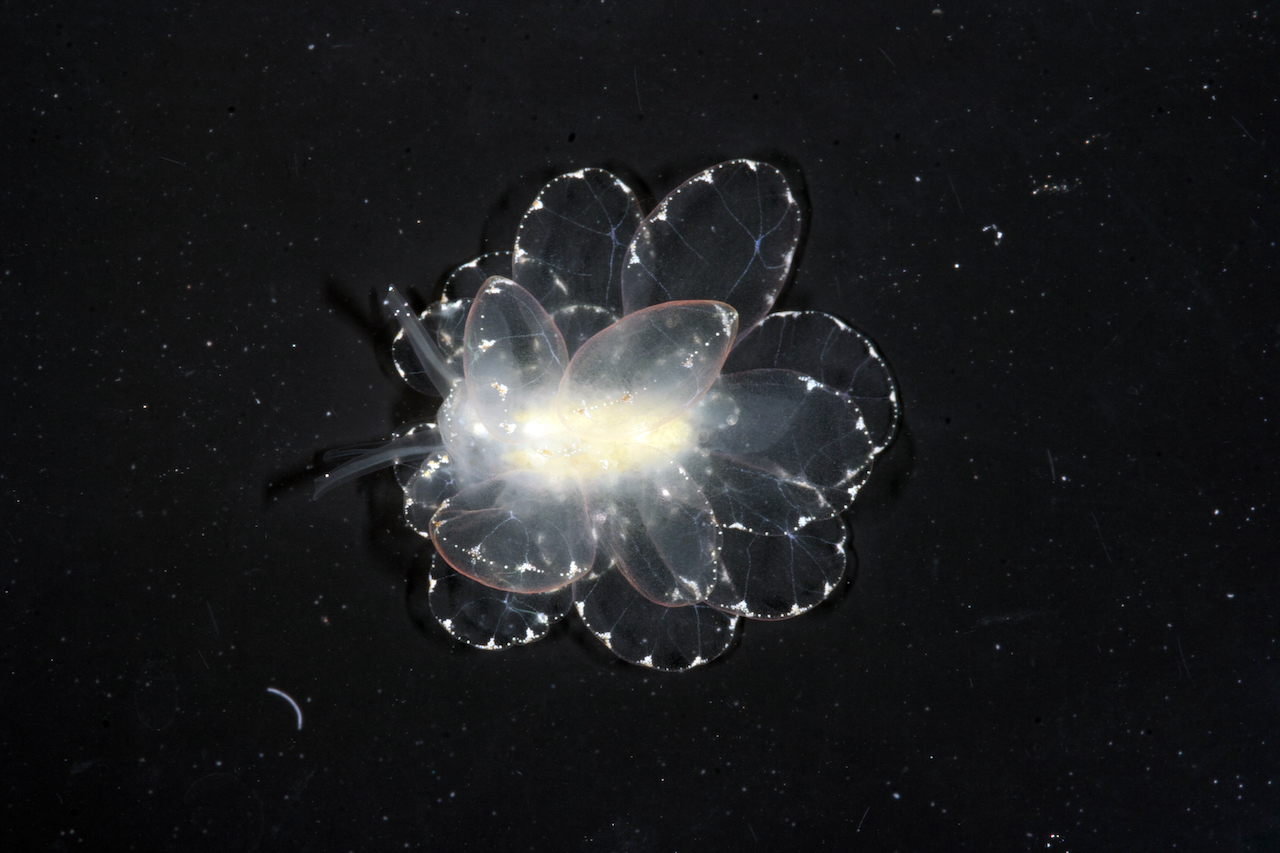
Terry Gosliner has described about one-quarter of all sea slug species known to science. This year, he added 11 more species to that list.
As the invertebrate zoology curator at CAS, his discoveries include a shimmering opalescent sea slug from the Indo-Pacific (Cyerce basi) and two species found only in California: Doto urak and D. kwakwak. The names come from Indigenous languages. Urak means “salmon” in Ohlone, describing the slug’s light pink color, while kwakwak means “yellow” in Kumeyaay.
Gosliner recently returned from an expedition to Guam, where deep sea “hotels” revealed 20 new-to-science species, including sea slugs. He’s now working to formally describe these unknown sea slugs found in Guam’s twilight zone reefs.
“The twilight zone hosts an astonishing array of marine species, yet we’ve only just begun to understand the communities that live at these depths,” Gosliner said. “We still lack basic information about which species are present, how they interact with one another, and the key ecological roles they play. Each expedition and dive helps us piece together a little more of the big picture, and builds the foundational knowledge that is essential to developing effective conservation strategies for these hard-to-reach ecosystems.”
A deep-sea fish found with Fidel Castro on board
Academy scientists John McCosker and Douglas Long described a new deep-water cardinalfish, Epigonus zonatus, found almost 610 m (2,000 ft) below the ocean’s surface. The fish specimen came from a 1997 deep-sea expedition to Cuba that included an unexpected visitor: Fidel Castro, the Cuban president at the time.

McCosker wrote about the experience in a 1999 issue of California Wild, a magazine that CAS had published from 1946-2006. In it, he described how soldiers arrived at their research vessel one evening, followed by Castro. McCosker noted that despite being trained as a lawyer, Castro had spent much of his youth diving and fishing in Cuban waters.
The cardinalfish specimen they collected during that expedition sat in the CAS collection for nearly 30 years before scientists formally described it this year. This shows how museum collections preserve unknown species that researchers may not be ready to study right away. As technology improves and scientists learn more about ocean life, these preserved specimens can lead to new findings.
Banner image of the Galápagos lava heron (Butorides sundevalli) is a new to science species. Photo courtesy of Ezra Mendales.
FEEDBACK: Use this form to send a message directly to the author of this post. If you want to post a public comment, you can do that at the bottom of the page.
Credits