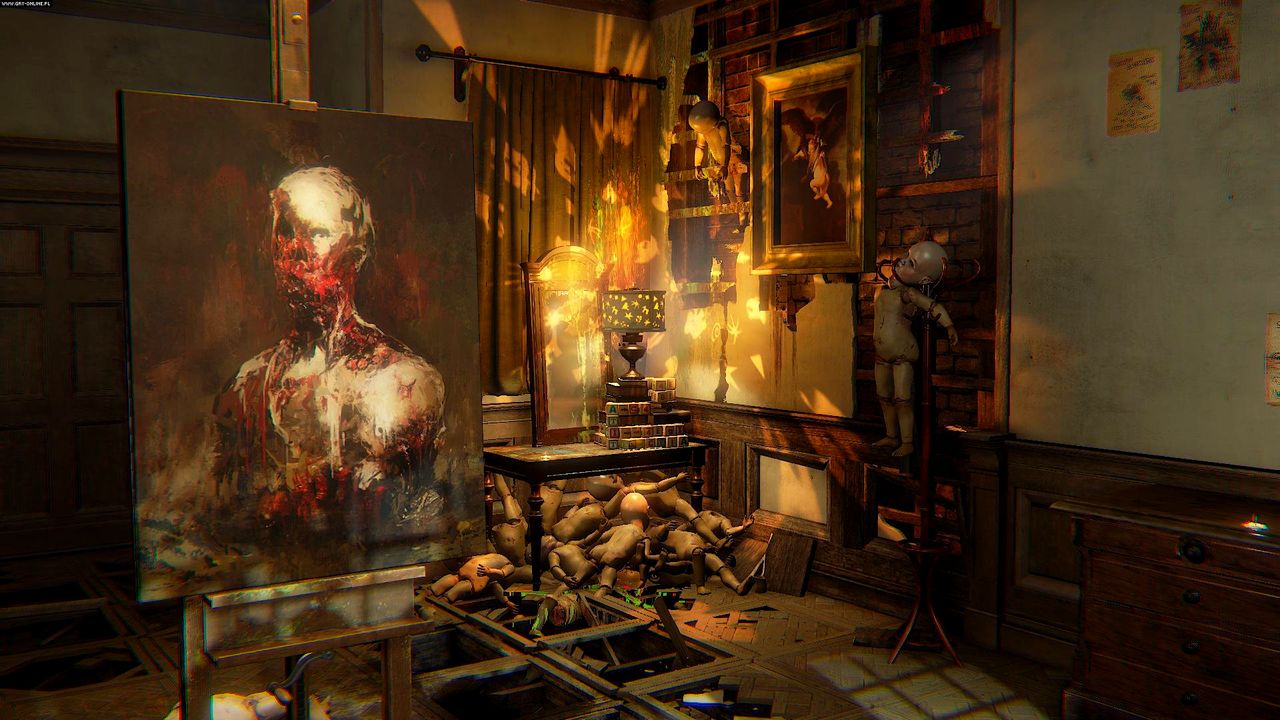
Fighting Force Collection (PS5)
Written by admin on February 16, 2026


by
Evan Norris
, posted 16 hours ago / 791 Views
When you hear the name Core Design, you probably think of Tomb Raider. But the prolific studio, which, believe it or not, turned out five Tomb Raider titles in as many years, wasn’t just busy with Lara Croft’s adventures during the PlayStation era. It also, somehow, found the time to chip away at a few smaller projects, including Fighting Force and its sequel Fighting Force 2. Limited Run Games, in partnership with copyright owner Square Enix, has brought these two games back to the public in the Fighting Force Collection.
The Fighting Force Collection includes the original Fighting Force, a co-op beat-’em-up from 1997 that launched on PS1, PC, and, eventually, N64; and Fighting Force 2, a single player action game from 1999 that debuted on PlayStation and Dreamcast. It also arrives with an art gallery, with both 2D and 3D concept art.
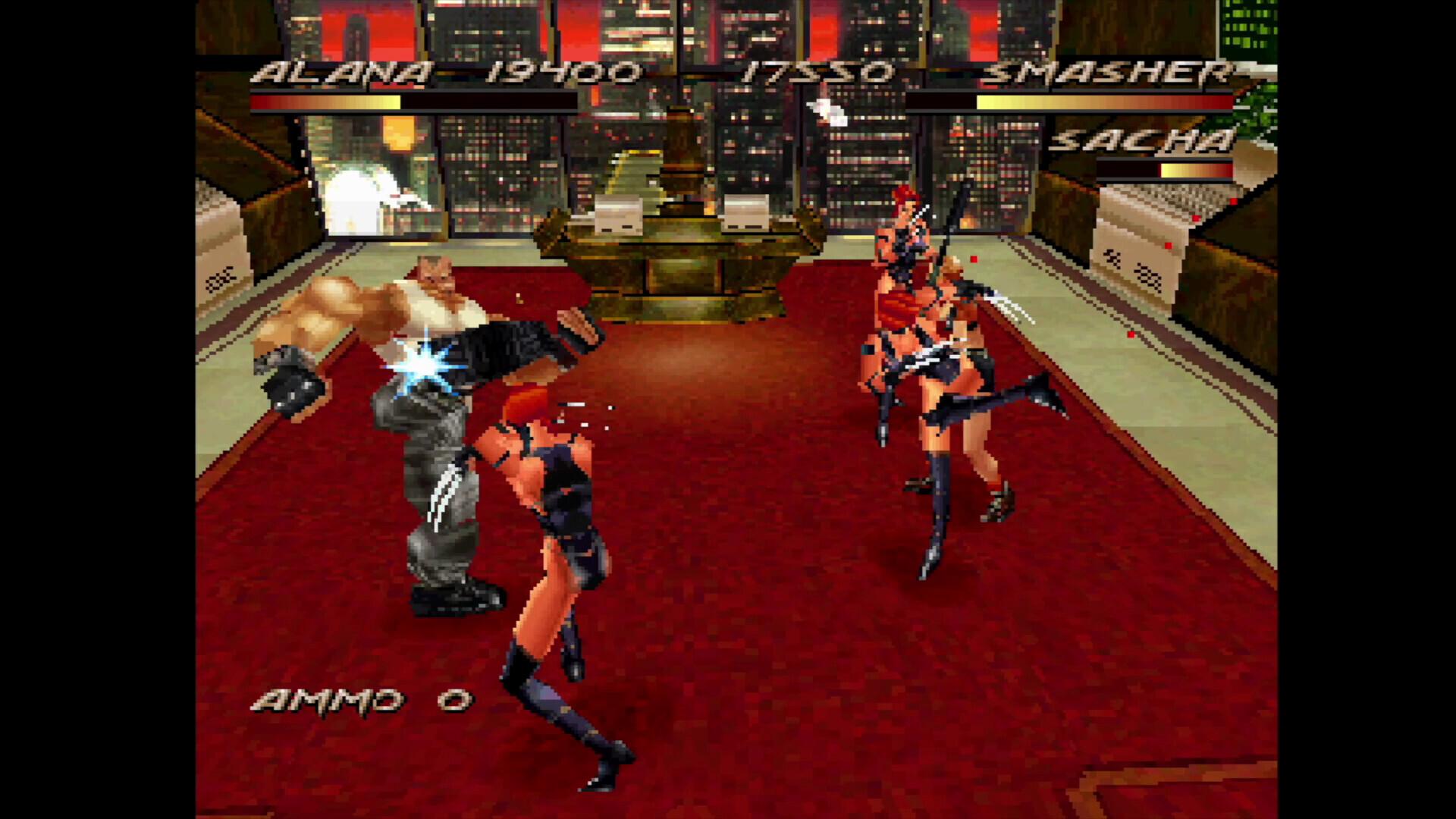
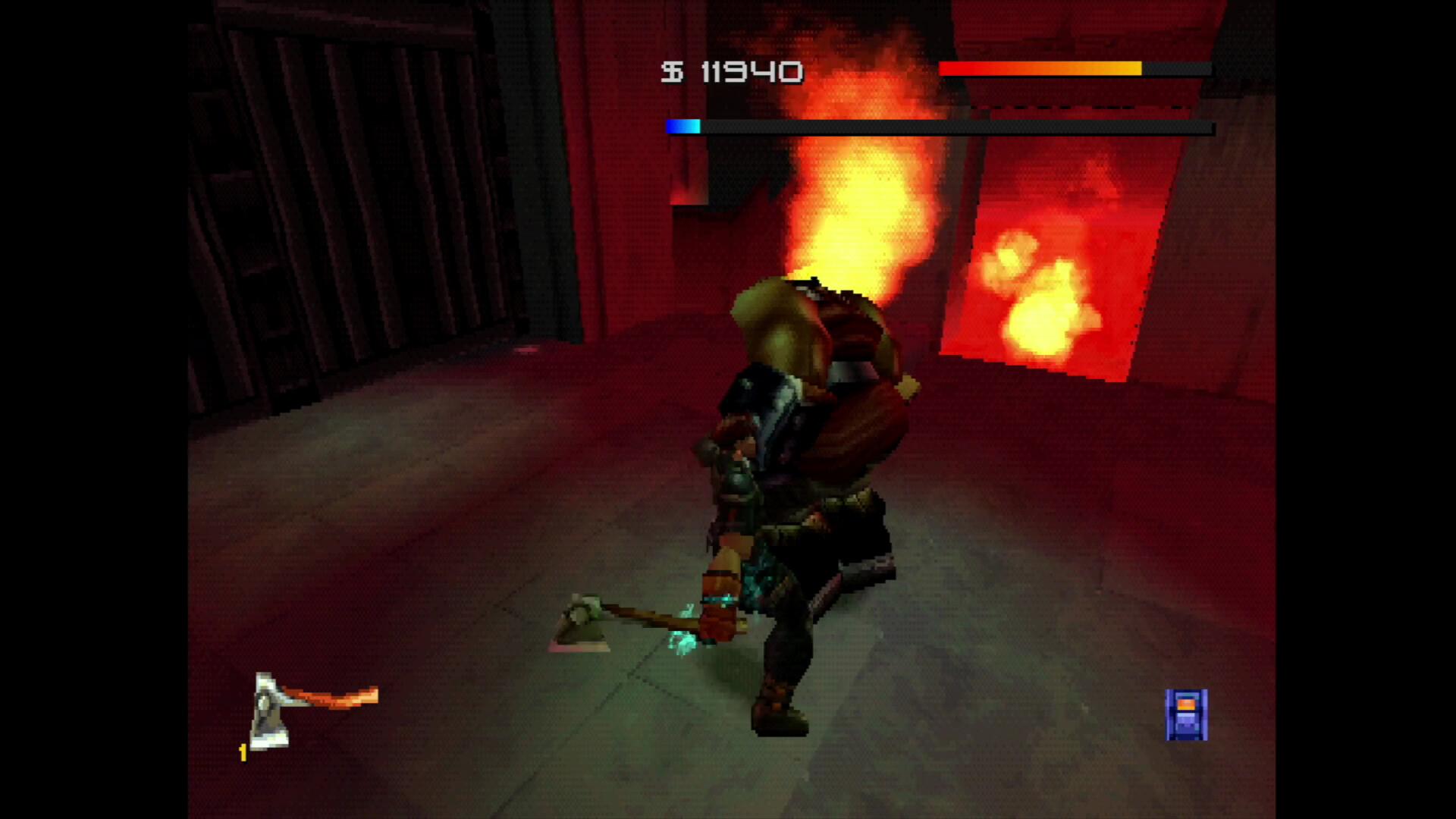
The first Fighting Force is the more known and beloved title of the two — for a good reason. While it takes place in 3D (rather crude, early 3D, I might add), it channels the spirit of 2D brawling games like Final Fight and Streets of Rage. One or two players can choose from four main characters: Hawk, Mace, Alana, and Smasher, all of whom have unique stats and special moves. My favorite is Smasher. Despite his plodding pace, he hits hard. And his moves are straight out of the WWF.
The best part of Fighting Force is that it isn’t a straight shot from beginning to end; at several junctures, you decide which path to take. Early on, for example, you can opt to travel to the Bronx, the mall, or the park. This adds significant replay value, which is important, as the game lasts only a couple of hours. Pro tip: if you search the art gallery, you can view a blueprint of all the available branching paths.
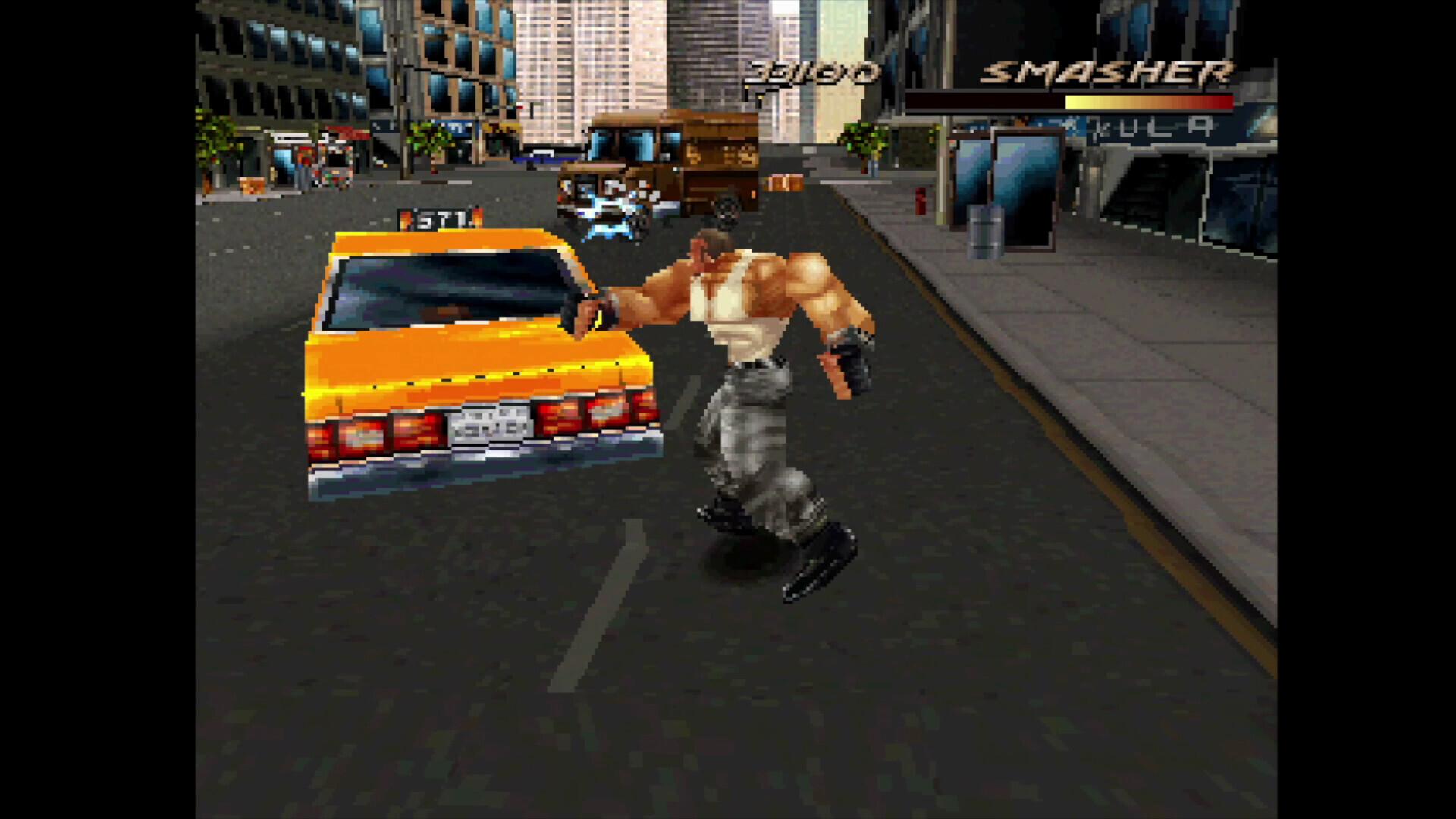
The worst part about the game, conversely, is that it becomes something of a chore, especially when played solo. At first, as you’re climbing a high-rise and barreling through city streets, it’s fun to smash guards and thugs with your fists, pipes, fire axes, etc. After a while, as the same combat scenarios and enemies show up again and again, everything becomes a monotonous blur. Fighting Force desperately needs more variety, both across levels and within levels. And it needs fewer waves of enemies per level. It would also benefit from a kinder camera.
Fighting Force 2, unexpectedly, departs significantly from the formula established in the original game. It’s no longer a team-based brawler, but rather a single player, mission-based sneaky action game that’s more Syphon Filter than Final Fight. As Hawk Manson from the first game, you infiltrate a series of facilities — a steel mill, a factory, etc. — to destroy samples, erase weapon prototype plans, and, in general, sabotage the efforts of the enemy.
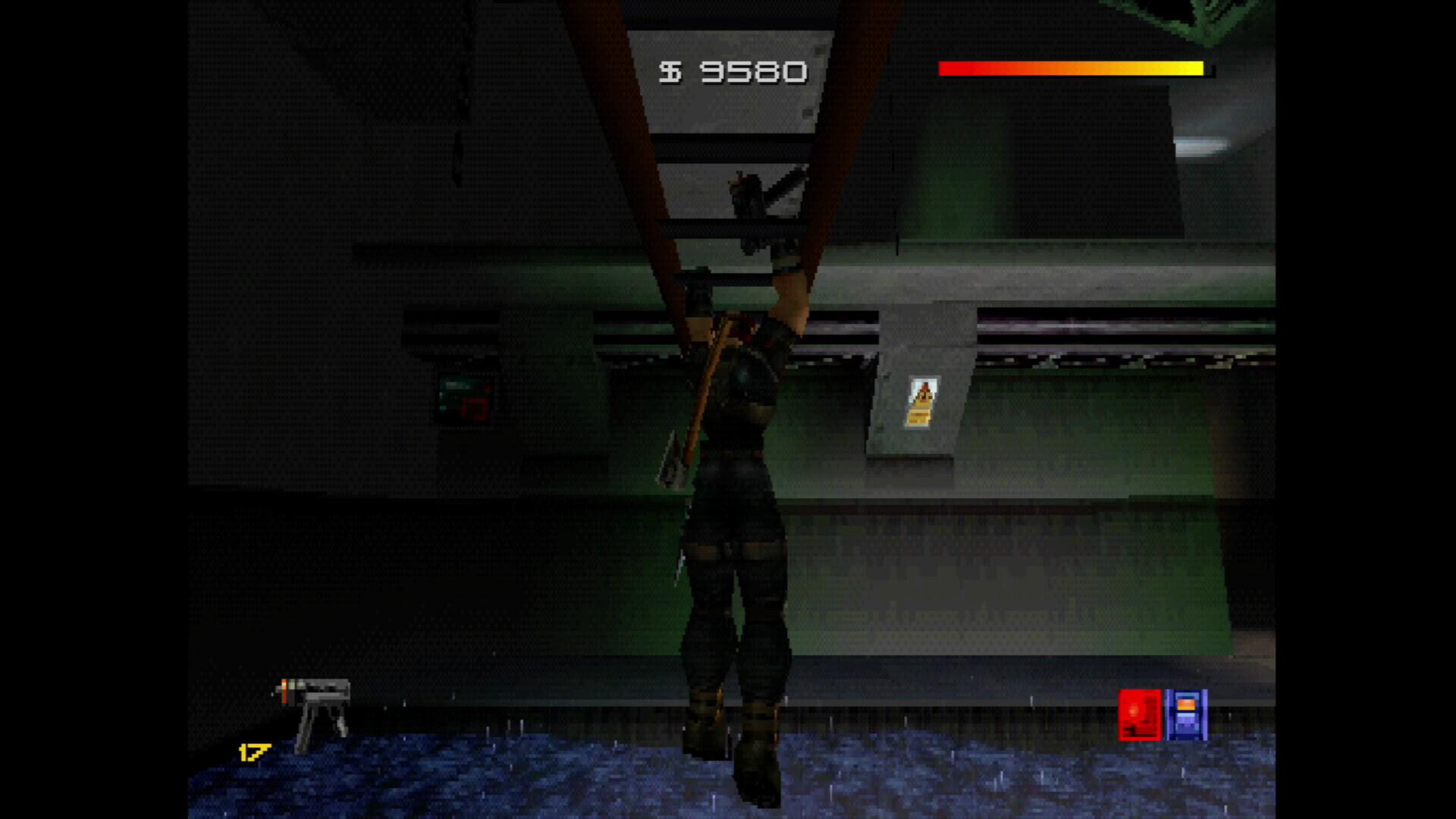
Fighting Force 2 is a lackluster game, but it has some redeeming qualities. The graphics and models are great for the PlayStation era. Hawk and his antagonists have a sturdy chunkiness to them that works very well. Also, there’s a neat mix of third-person and first-person shooting, as Hawk can zoom in and aim more carefully with the R1 shoulder button. Finally, the level designs, at times, encourage thoughtful, stealthy approaches. In one section, I sneaked through a ventilation shaft and dropped a grenade on a few unsuspecting sentries, then doubled back and walked through the room unopposed.
Regrettably, the game has more cons than pros. The voice acting is over-the-top, and not in a good way. The control scheme is fussy. The levels are overlong and, I hate to say it, boring. And the mission objectives aren’t really meaningful.
In the end, neither Fighting Force nor its sequel is a great game, or even a good game. And that’s a major flaw for a video game collection. Special features could help elevate the package, but they’re rather tame here. You have an art gallery, save states, and rewind, and that’s about it. You can upscale the resolution in both games, but I wouldn’t recommend it for Fighting Force. It turns the character models into wobbly, shimmery monsters.
One feature that the collection urgently needs is the option to remap buttons from the launcher. Right now, you can change the controls in the emulated game itself, but not from the parent menu that manages save states and rewind. This created a big problem during my playthrough of Fighting Force 2, when my custom controls reverted to the default option after I cleared the first mission. I could never return to my preferred layout.
Core Design did fantastic work with the Tomb Raider franchise, but largely dropped the ball when developing Fighting Force and Fighting Force 2. The games are too repetitive, monotonous, and clunky to recommend. And while this new compilation makes them more accessible, it doesn’t do much, outside of the addition of save states, to make them more enjoyable.
This review is based on a digital copy of Fighting Force Collection for the PS5, provided by the publisher.