- After eight years, multinational plantation company Socfin and the environmental consultancy Earthworm Foundation have cut ties.
- Socfin first contracted Earthworm as part of its response to allegations of human rights and environmental violations at Socfin’s plantations in Africa and Southeast Asia.
- Community representatives and environmental advocates in Liberia say Earthworm’s recommendations weren’t adequately implemented.
When agribusiness giant Socfin found itself embroiled in allegations of human rights and environmental violations at its plantations in Africa and Southeast Asia in 2017, it called on the Switzerland-based sustainability consultant Earthworm Foundation for help. Earthworm’s investigations eventually substantiated many of the grievances filed by communities across Socfin’s operations, notably including complaints of sexual harassment and pollution of water sources raised at Liberia’s Salala Rubber Corporation.
Earthworm’s findings largely mirrored those of a four-year investigation into Socfin’s practices in Liberia by the International Finance Corporation’s independent watchdog in 2023, which Socfin had rejected.
Late in 2025, Socfin and Earthworm discreetly announced that they had cut ties. In a November press release posted to its website, the Earthworm Foundation called the decision “mutual.”
“We did see Socfin genuinely engaging with and implementing the recommendations,” Jotica Sehgal, a spokesperson for Earthworm, said via email. “They made a strong commitment by allowing the investigation to proceed and by agreeing to have the results shared publicly.”
The Earthworm Foundation counts global agriculture commodity giants like Nestlé and Pepsi as members. These companies pay an annual fee, and Earthworm offers support in addressing their supply chain practices.
Responding to Mongabay by email in January, Socfin spokesperson Ludovic Saint-Pol said, “Both organisations recognise that the collaboration has reached its natural conclusion, with the main objectives initially defined having been largely achieved.”
According to Earthworm’s website, the relationship with Socfin was intended to help the company develop and implement its Responsible Management Policy, set up grievance mechanisms, engage with various stakeholders and implement its commitments.
Complaints about the conditions and practices around the Salala plantation go back years. In 2019, communities in and around the plantations filed a complaint with the International Finance Corporation’s independent watchdog, which confirmed many of the allegations in an investigation that concluded in 2023.
Socfin, rejecting the IFC watchdog’s findings, commissioned Earthworm to carry out a fresh assessment of environmental and social impacts at Salala, as well as at its plantations elsewhere in Africa and Southeast Asia.
Sehgal told Mongabay that after the investigation was published, Earthworm supported Socfin in designing a series of action plans to address its findings on sexual violence and other issues at its plantations. But she said increasingly Socfin wanted it to assess whether those plans were achieving results — a step she described as beyond the partnership’s scope.
“Over time, however, we were increasingly asked to verify progress on these action plans,” she said. “While we understood the intent, this was not a role we felt best suited to play.”
In March 2024, Socfin released a progress report on its compliance with Earthworm’s plan, which stated that measures to address labor conditions and grievance policies were underway. The firm indicated that issues related to crop compensation and the destruction of sacred sites were outstanding and still required Earthworm’s assistance.
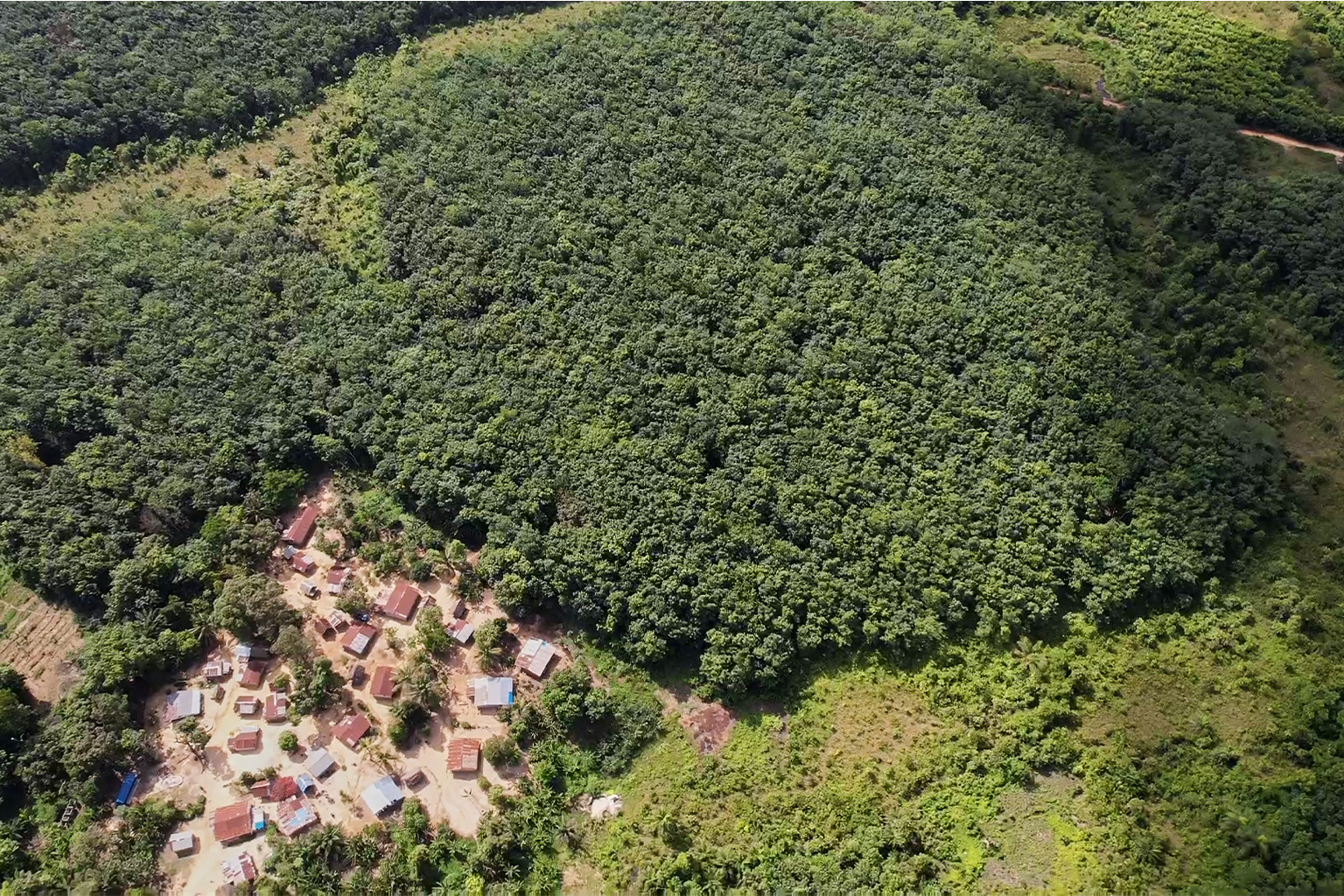
However, that same year, Socfin sold their Salala operation to a local businessman.
Representatives of communities in and around the Salala plantation say that since then, many of their complaints remain unaddressed, and that recommendations following Earthworm and the International Finance Corporation’s investigations haven’t translated into significant change.
According to Windor Smith of the Alliance for Rural Development, a Liberian NGO that helped gather statements from towns in and around the two plantations and made multiple visits in 2025, few of the action plan’s goals have been achieved.
“They haven’t started real implementation on behalf of communities. The planning stage should have started in 2025, but now it’s passed and we aren’t seeing anything tangible on the ground,” she said.
In one example of disputed progress, Socfin committed to conducting a drinking water inventory for each town affected and provide access to water in Monkey-tail Town, both of which had been marked as “done” in 2024.
Saint-Pol said Socfin has a note on file from a local chief in the town thanking Socfin for the pump, but according to Smith, when she visited last year, she said the pump was producing only undrinkable brown water.
“It’s true that they constructed a hand pump in Monkey Town as indicated in their report, but the water is not safe for use, not drinking or bathing. It’s almost like it’s just there,” Smith said.
Saint-Pol said that despite the termination of its relationship with Earthworm, Socfin remains committed to implementing the action plans at its plantations and has signed a new partnership agreement with Proforest, another organization that offers sustainability advice to corporate clients.
Silva Lieberherr of the Swiss aid organization HEKS, which supports the work of ARD, told Mongabay that the investigative reports produced by Earthworm helped to confirm community complaints about operations at the plantation.
“They really clearly documented all the abuses, and I think that in itself is useful for the struggle and making it clear how systematic it was,” she said in a phone interview.
But, in her view, the partnership didn’t really lead to effective action by Socfin. “That’s only positive if something also happened, and I don’t see any significant change,” she said.
Banner image: Tanoh Jallah, a resident of one of the towns in the IFC complaint, said all the good farmland was taken by Salala.
No justice in sight for World Bank project-affected communities in Liberia
Feedback: Use this form to send a message to the author of this post. If you want to post a public comment, you can do that at the bottom of the page.
Credits