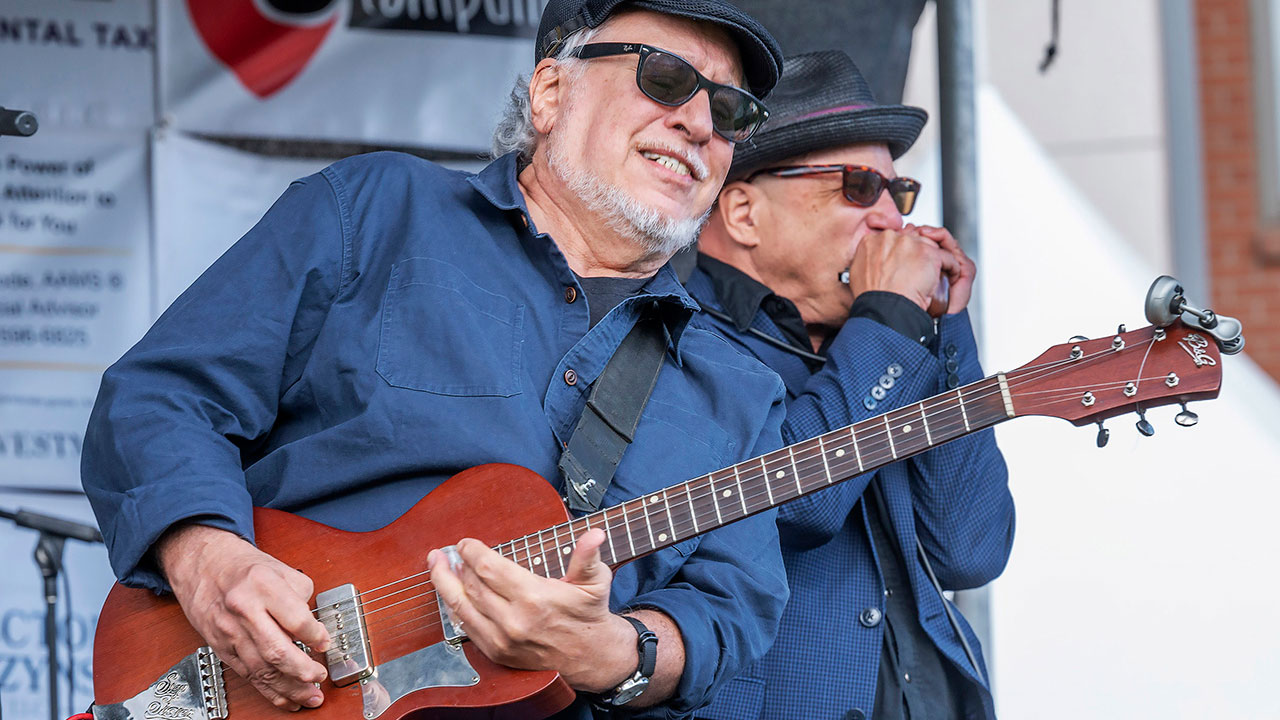
Bob Margolin will always be grateful to Muddy Waters, who had him play on six of the blues legend’s latter-day records in the ‘70s. “It changed the course of the rest of my life,” Margolin says, “because of the great music I learned from him, and the musicians I met through him.”
Before that, the Massachusetts-born guitarist had spent the late ‘60s merging blues with psych rock, before leaning fully into the blues. “It was moving, fun, and honest music,” he says. “I fell in love with that music and wanted to play it; and then I got into Muddy’s band, which was amazing.”
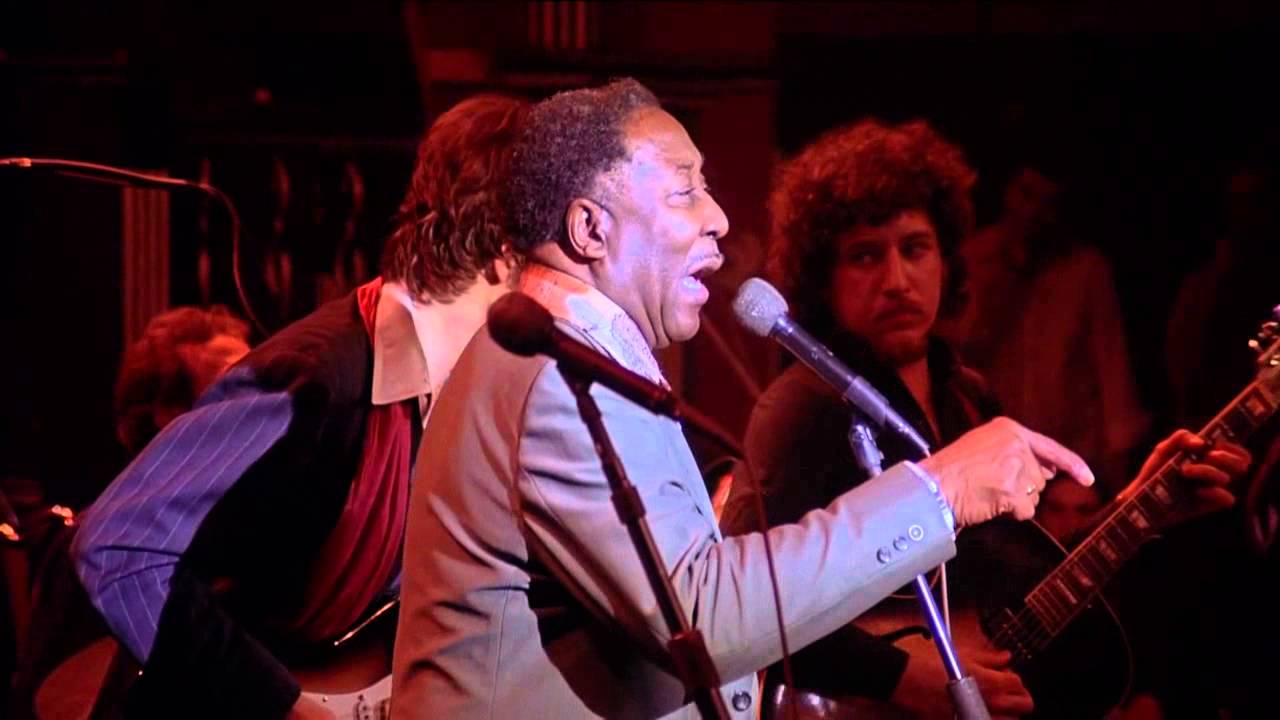
Another amazing moment came after Margolin had spent three years with Waters – he took part in The Last Waltz. “I realized it was a very special gig when I saw the people in the room,” he says.
He stuck with Waters until 1980 and they remained friends until his death in 1983. Since then he’s built a solo career, winning two Blues Music Awards. But that’s not his biggest takeaway.
“They’d be really sweet to you. They were great and distinctive – you’d know who they were the second they played a note. But they were also the nicest human beings. I think that’s a good lesson.”
What led you to pick up guitar?
I really fell in love with Chuck Berry’s playing in about 1964. I followed that path of inspiration back to Muddy Waters and the blues, and really haven’t crawled out yet! I heard songs on the radio that were bluesy; and later I heard real blues songs, and I sought them out.
In the late ‘60s you were in a psychedelic Boston band called The Freeborne. What was the blue-meets-psyche scene like?
It was a very vibrant scene. There was a really great blues scene there with young people who loved the music. There were good players in town and creative rock music at a time when people were putting lots of styles together. It was a very exciting time for music. – it was a wide-open scene.
What gear were you using then?
I got a Fender Twin Reverb and put some JBL speakers in it. Around 1967 I got a mid ‘50s Gibson Les Paul fairly cheaply. I had it until about 1972, when it got stolen. Once I started playing in blues bands more, I got rid of the Twin Reverb and went to Fender Bassmans. The Twin Reverb seemed too bright and clean, rather than the dirty sound the smaller amps had.
How did you first meet Muddy Waters?
I loved his music more than anybody else’s – he was the main reason for me. I was in bands that opened up for him in the Massachusetts area. He saw our band in 1973, probably in March, and he could see what I was trying to play on guitar.
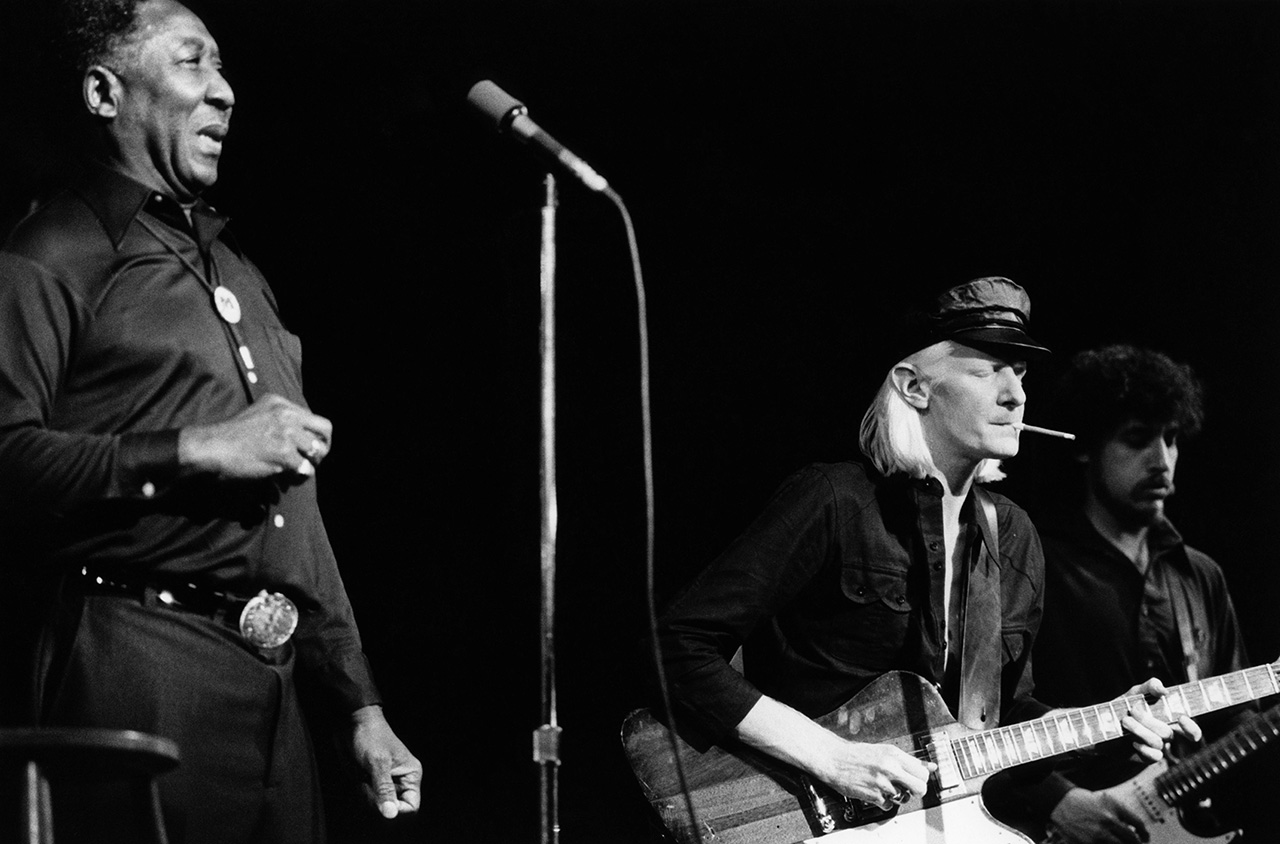
We were smart enough not to do Muddy Waters songs on a gig opening for Muddy Waters! But I was trying to play Jimmie Rodgers, Jimmy Reid and Elmore James. He was very encouraging to me, which was a thrill; it really meant a lot to me.
What led to your joining Muddy Waters’ band in 1973?
In August 1973 he came to Boston to start 55 days in a club there. I was the first one in the place, and on the first night – I think it was a Tuesday – I came in and the harmonica player asked me the fateful question: “Do you have any reefer?”
When you get a guitar solo, make a nice little statement. Then drive it home and send it over to the next person
Did you?
I did! That’s what local musicians did for bands that on the road back then. But he also said, “Muddy just fired somebody last night.” Before I could even think about it, he went into the dressing room and got Muddy, who came out and said, “Come to my hotel room tomorrow and bring a guitar.”
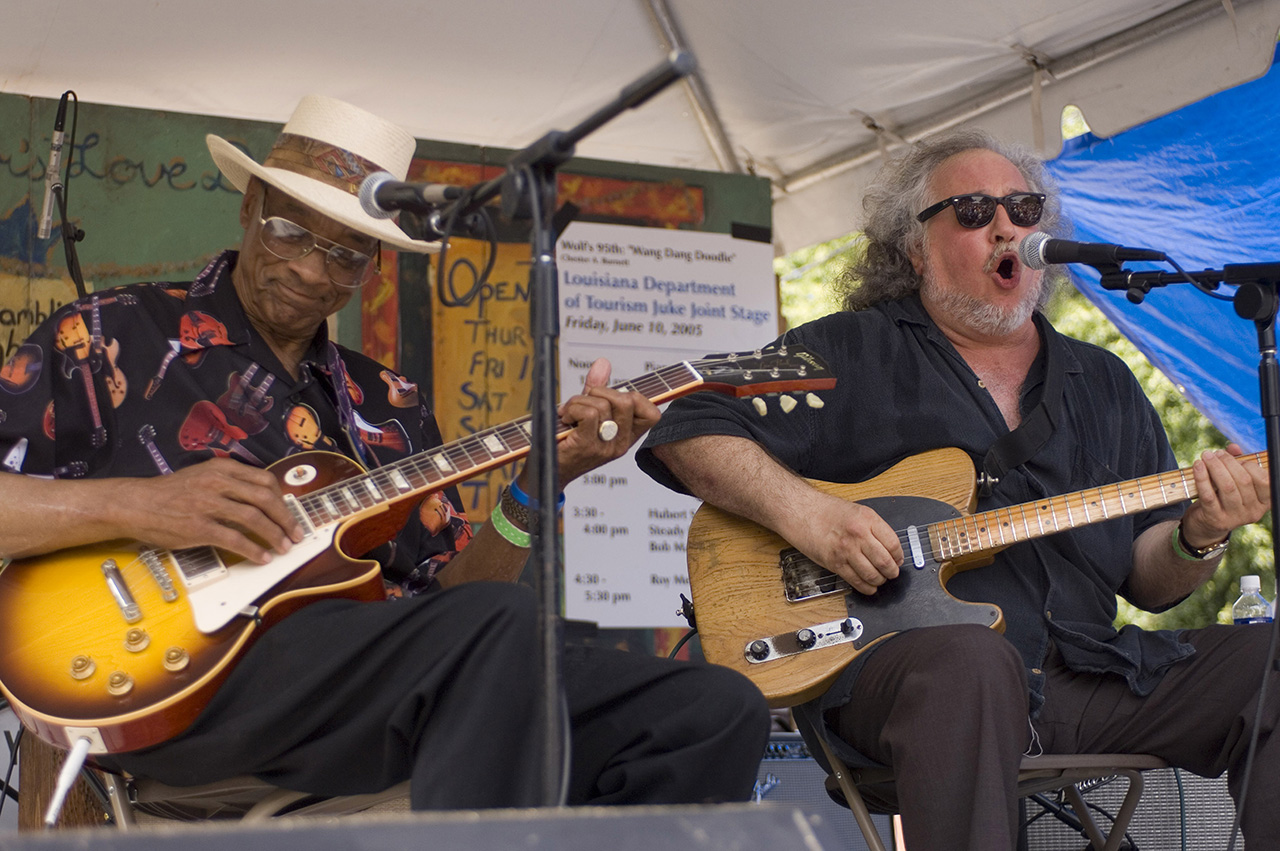
I had things scoped out pretty good. I also knew it would be the best opportunity to learn about Chicago blues, and play them with the person who was at the top. Muddy knew I’d be interested – he presumed I’d do it if he wanted me. And it worked out that way: he gave me a chance to be in the band, and that lasted for almost seven years.
Walkin’ Thru the Park – YouTube
What was he like to be in a band with?
He could be a little moody sometimes, when he couldn’t hear anything on the bandstand. But a lot of times he was good-humored – and he was a very fair bandleader with the way that he ran the band.
He wanted you to know the music pretty well; not from rehearsing it, but from knowing what the song sounded like, and how to play it in the moment by following the cues that he’d give during songs like Baby, Please Don’t Go, Hoochie Coohie Man, and Got My Mojo Workin’.
It was an opportunity to watch and listen. But it was also about finding a part among seven musicians that wasn’t getting in anybody else’s way, and to add something meaningful . When you get a guitar solo, take it really, really strong – make a nice little statement. Then on the second verse of your solo, drive it home and send it over to the next person.
The band never talked about these things, but that’s what happened onstage from the first night that I played with them.
You participated in The Last Waltz with Muddy.
The band was on the road and he said, “Me, you, and the piano player are gonna fly out to San Francisco in a couple of days.” I had a Gibson archtop ES-150 from about the mid ‘50s with me. I used a Fender Stratocaster most of the time, but I happened to have that archtop guitar, so I used that for The Last Waltz.
When we were rehearsing the day before, I guess that guitar impressed people, because everybody was very nice to me. And they saw that I was playing with Muddy. It was exciting to meet and play with Paul Butterfield and Pinetop Perkins. But they didn’t actually stay past our set, which was around the middle of the night.
After the show, we went back to the hotel where the rehearsals had been. It was kind of a jam room and party. People were playing all night, including a lot of rock stars. Muddy and Pinetop were the oldest people there – they were in their 60s, which sounds young to me now! It was a fun night after the show.
Did you get to chat with Robbie Robertson?
I’ve been thinking about Robbie a lot because there’s a book that he published just before his death a couple of years ago. It’s about the time of The Last Waltz and right after it. But I didn’t really talk with Robbie at The Last Waltz or at the rehearsal – he was kind of busy, and there was nothing I had to say to him.
The Band & Muddy Waters – Mannish Boy LIVE San Francisco ’76 – YouTube
I did see him in November 2019, where he was a guest at The Last Waltz tribute that he also endorsed. I talked with him then, but we just talked about the music itself.
At the after-hours jam you mentioned, you sat in with Bob Dylan and Eric Clapton, right?
What’s interesting is I didn’t see Robbie at the end of the night; I’m sure he was somewhere. But we ended up having a jam at around seven in the morning that Bob Dylan put together. He had me on guitar, Eric Clapton on guitar, Dr. John on piano, Ronnie Wood on bass, Levon Helm on drums and Paul Butterfield on harmonica.
We were all negotiating, trying to protect ourselves. The band ended up leaving – but all of us stayed friends with Muddy
It wasn’t the greatest music I ever played, but it was interesting to sit in a room and see those people playing the blues, with Bob leading the jam and mostly doing Robert Johnson and Freddie King songs. It was fun to trade verses on Hideaway with Eric Clapton.
Did you get to chat with Eric?
We talked a little bit. I was telling him about the new album Muddy had just cut with Johnny Winter in October of 1976, Hard Again. I asked Eric if he knew Johnny because I figured they must have crossed paths since they were both into Robert Johnson and were very well-known blues-rock guitar players.
Eric said they hadn’t met yet. One time he’d called, but Johnny didn’t believe it was Eric! The next time I saw Johnny I asked him about that. He said, “Yeah, some guy said he was Eric Clapton. I hung up on him!”
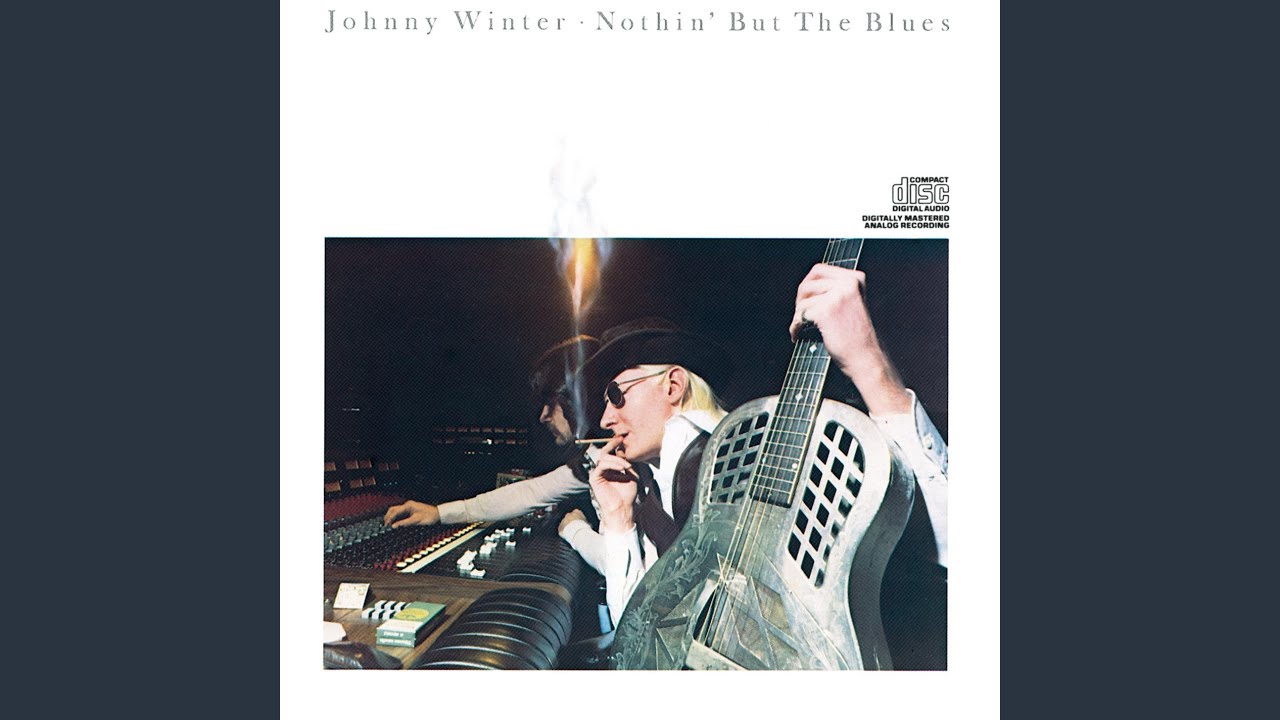
Speaking of Johnny, you played on his 1977 album, Nothin’ but the Blues. What was that like?
That was recoded after the Hard Again album and tour, which was two months of playing mostly theaters. Johnny said, “I wanna get everybody in the studio right away, while we’re used to playing with each other.” In just a few days we knocked out an album of songs Johnny wanted to cover, and some things he wrote. It had the same spirit of what we were doing with Muddy, but with Johnny singing.
Why did you leave Muddy’s band in 1980?
Unfortunately there was a business problem with Muddy’s manager. The band hadn’t really changed since 1974, and in the middle of 1980, we were all negotiating with Muddy’s manager, trying to protect ourselves. The band ended up leaving – but all of us stayed friends with Muddy.
In November of 1980 I opened a show for him in Washington. I got to have a long talk with him at the end of the night, and said everything I ever would have wanted to say to him. That turned out to be the last time I saw him alive.
“But I’d call him on the phone every few weeks, just to be in touch with him. It meant a lot to me to be able to do that. I talked to him three weeks before he passed. I asked, “Do you ever pick up your guitar at home, just to play it?” He said, “No – I’ve been playing for 50 years. It’s there!”
In the years since, you’ve led a decorated solo career. Are you working on anything now?
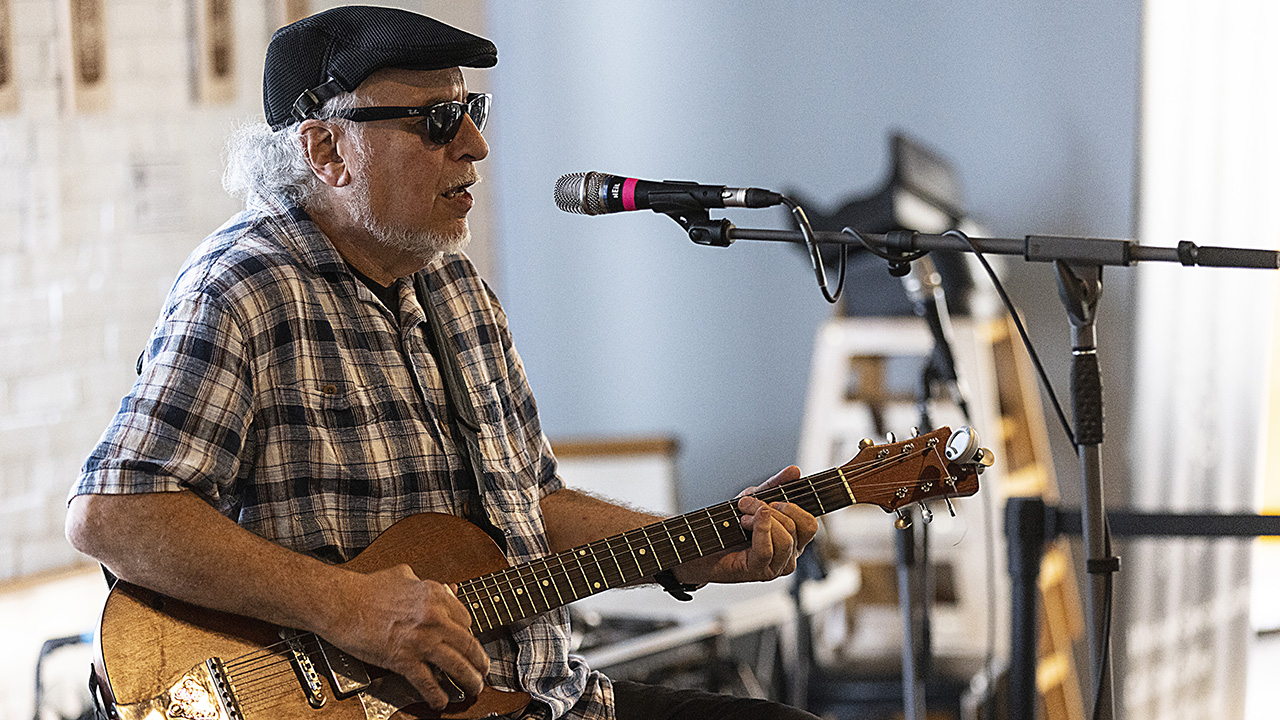
I’m working on being at home; enjoying my home, my wife and my pets. I’ve been off the road for about a year. I’m sure I’m not done playing, but I’ve got nothing in the immediate future. I might be the first person you interview who isn’t promoting something new!
Keep up to date via Bob Margolin’s website.