The Fit List
The corner of the TechRadar site that swaps processors for press-ups, The Fit List is our regular series of fitness listicles. We explore how to improve your health in a sedentary world of technology, all in handy bite-size pieces of advice. You can read the whole series here.
Ever heard of tech neck? It’s the colloquialism for chronic neck and upper-back pain caused by looking downward at your smartphone or computer for an extended period of time. But it’s far from the only side-effect of life lived in the digital age.
Individually, these issues can feel like minor irritations, but together they contribute to a body that’s tighter, more fatigued and far less mobile than it should be. The good news? A short routine of smart, targeted stretches can help undo the damage of long workdays and even longer screen time. Use one of these stretches whenever you get a movement alert on your smartwatch (and you can check out our best smartwatches guide for our current top picks), and reap the benefits accordingly.
To advise, I recruited the help of Tom Hall, a specialist in one-to-one and online coaching for performance across a range of disciplines. Here are his five essential movements.
Half-kneeling spinal flow
Thoracic-spine mobility helps you rotate, reach, and lift more freely, reducing the strain that often gets dumped into the lower back and neck when the mid-back is stiff. Not only that, it also supports better posture and easier breathing, both of which make everyday movements feel smoother and less fatiguing.
“One of the biggest places that gets locked up is your T-spine, that controls almost everything that happens in your back,” Hall explains. “It’s [responsible for] lots of flexion, rotation and extension, so starting to move your T-spine allows you to feel more mobile. Take it easy and make sure you’re breathing and exhaling throughout.”
Adductor hip rocks
Strong, mobile adductors around your hips make everyday movement feel a whole lot smoother, from walking up stairs to sinking into a deep squat without everything pulling tight.
Keeping this area supple also helps your hips stay stable and powerful, which pays off whether you’re training hard with barbell squats, or just trying to get through a long day in an office or gaming chair without feeling creaky.
“You’re going into your adductor on one side and almost a squat pattern on the other, with a little bit of knee flexion,” says Hall. “Rock backwards and forwards into the base of your squat position, trying to keep your back nice and straight. Just don’t bend that leg.
“You can turn this all the way into a little push-up if you want to.”
Supported hip airplanes
Supported hip airplanes combine mobility and stability in one fell swoop — meaning your hips can move more freely, while you also learn to control that movement as you progress.
As Hall puts it, “it’s more of a mobility and stability exercise — start this off supported with a point of contact [such as a bar, as demonstrated in the video above] to open up your hip and move it around”.
“We can unlock the base of our pelvis and the hip ‘capsule’, which allows us to have the mobility that our back doesn’t.” Doing this regularly helps with walking, bending and balance, and can reduce any nagging back niggles that come from stiff, underused hips.
Couch stretch with lateral flexion
The couch stretch with lateral flexion is a powerful static stretch for anyone who spends too much time sitting, because it targets the hip flexors and quads — two areas that get chronically tight.
Hall explains that you should “contract your glute really hard, so that it pulls on your hip flexor… you’re going to feel your hip flexor going into your quad, and you’ll get a quad stretch no matter what.”
He adds that you don’t need to dive straight into the deepest version: “Use progression — you don’t have to go full-on and have your knee or shin flush to the wall.”
Once you’ve found your position, he suggests adding upper-body movements: “Try reaching overhead or to the side, which will give an increased oscillation stretch, helping to tug the top of your pelvis.” This combo helps open up the front of the hips, improve posture and counteract the tightness that comes from long hours in a chair.
Push back push up
Push Back Push Up – Knee Flexion & Extension – YouTube
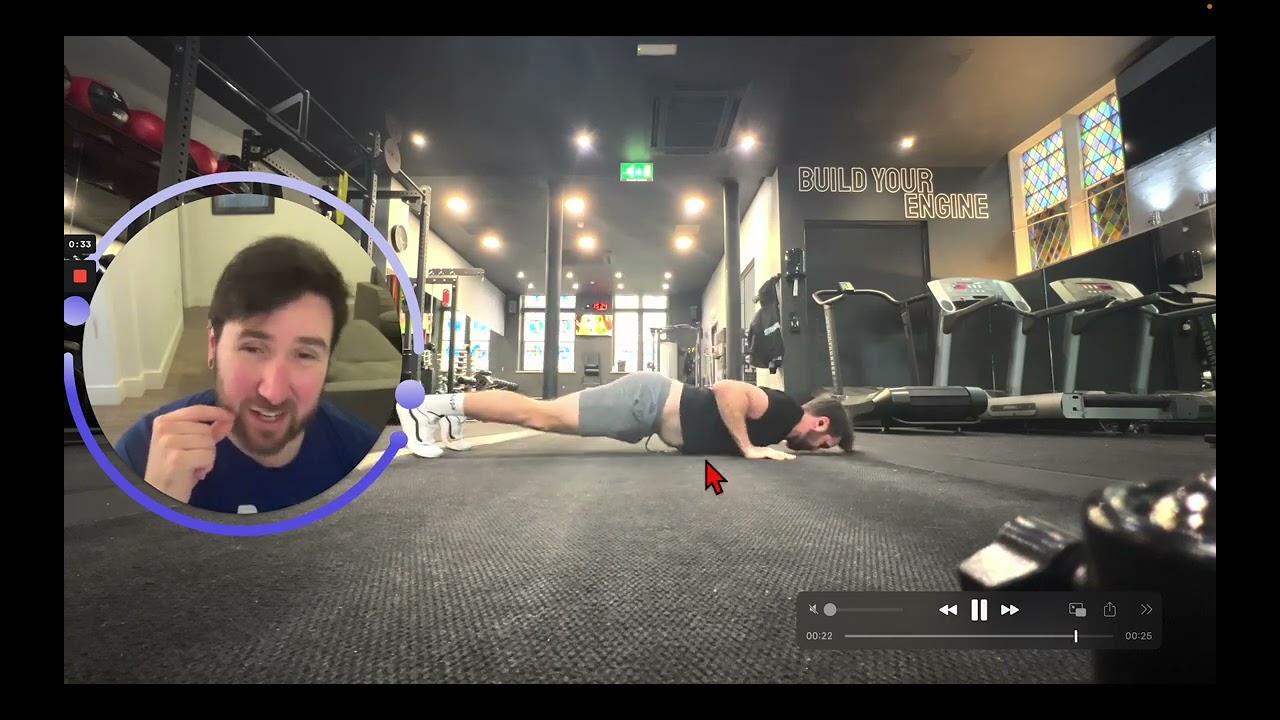
The push-back push-up isn’t a pure stretch so much as a full-body mobility drill, which Hall says most people need more of: “we probably don’t move enough in the real world.”
Think of it as a yoga-style spinal flow: as you push back, you lengthen through the lats, shoulders and T-spine, then move into a hamstring or downward-dog-type stretch before sweeping forward into a push-up. It’s a simple way to mobilise and wake up the entire upper body.
Follow TechRadar on Google News and add us as a preferred source to get our expert news, reviews, and opinion in your feeds. Make sure to click the Follow button!
And of course you can also follow TechRadar on TikTok for news, reviews, unboxings in video form, and get regular updates from us on WhatsApp too.