- In a year marked by public fatigue, political polarization, and pressure on democratic institutions and press freedom, Mongabay operated in an information environment where attention was scarce but decisions with lasting consequences were still being made, often quietly and locally.
- 2025 also brought significant loss, including the deaths of East Africa editor Ochieng Ogodo and Advisory Council member Jane Goodall, alongside many other environmental defenders; Mongabay honored these lives through dozens of tributes aimed at making their work visible and carrying it forward through solutions-focused reporting.
- Mongabay published more than 7,300 stories across eight languages, expanded into Swahili and Bengali, reached an expected 110 million unique visitors, grew its team to 130 people, and earned international recognition that reinforced the credibility and practical value of its journalism.
- Across regions, Mongabay’s reporting directly shaped policy, enforcement, markets, and science—from hunting bans and mining reforms to financial blacklisting and new conservation priorities—and the organization enters 2026 focused on deepening impact through fellowships, expanded coverage, multilingual short news, and the launch of its Story Transformer tool.

In 2025, environmental journalism faced a familiar paradox. The evidence was clearer than ever, but attention was harder to hold. Governments softened commitments and cut funding for programs many hold dear. Corporate language grew smoother as obligations narrowed. Public fatigue was real, shaped by anxiety over the state of the planet, political polarization, a deteriorating information environment, and pressure on democratic institutions and press freedom. Yet decisions with long tails were still being made—often discreetly, locally, and with incomplete information.
This was the context in which Mongabay worked.
2025 also brought losses that landed close to home, including the deaths of Ochieng Ogodo, Mongabay’s East Africa editor, and Jane Goodall, a longtime Advisory Council member whose work reshaped how the world understands and values animals. Their passing sits within a broader year of loss for environmental defenders and conservation practitioners. Mongabay marked many of these lives through dozens of tributes, aiming to honor individuals by making their work visible beyond their immediate circles, so others could carry it forward. That approach reflects Mongabay’s growing emphasis on solutions reporting as a way to show where progress is possible, even when the odds seem long.
As an organization, Mongabay will publish more than 7,300 stories across eight languages in 2025. Two of those—Swahili and Bengali—were new this year.
Traffic is not impact in itself. But reach matters when it puts information in the hands of people who can use it. We expect website readership to exceed 110 million unique visitors in 2025, a 44% increase over 2024. Our reach was amplified beyond those numbers through social media and syndication with more than 100 media outlets.
Our team grew from 113 to 130 people. More than 1,100 bylines appeared across our sites.
The year also brought recognition for the work. Mongabay journalists earned awards across formats and regions, including honors from SOPA, the Oakes Award, GIJN, the Podcast Publisher Awards, Forbes, and international anti-corruption bodies. These matter less as trophies than as signals—especially to sources and partners working in difficult environments—that the journalism is taken seriously and can lead to real-world results.
Where Reporting Affected Outcomes
Across 2025, Mongabay’s journalism intersected directly with policy, enforcement, markets, and scientific understanding. Not every story does this, and it shouldn’t have to. But some clearly did. A few examples stand out:
- Egypt introduced a new hunting ban after a Mongabay investigation: A 15-month cross-border investigation exposed failures in falcon-hunting oversight. The findings prompted national scrutiny and a ministerial ban on bird hunting in parts of the country.
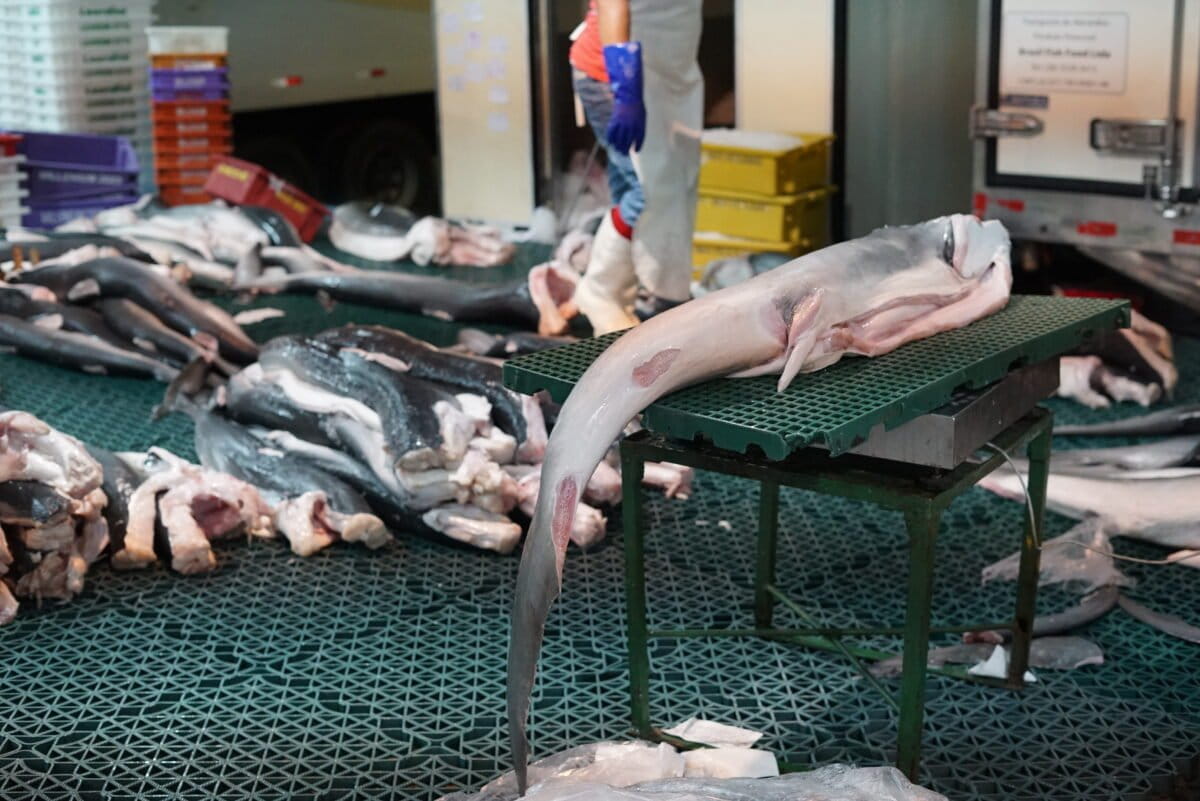
- Peru opened legislative and prosecutorial inquiries into illegal shark-fin landings: Reporting revealed that nine foreign vessels had landed 17 tons of shark fins illegally, triggering a congressional inquiry and coordinated action by environmental prosecutors.
- Brazil advanced a shark-fin export ban following scrutiny of government purchases: Mongabay showed that public agencies were buying shark meat under opaque conditions. Brazil’s environmental council responded by recommending export restrictions.
- Tanzania launched two presidential commissions after reporting on elite-linked poaching: A multi-year investigation into luxury hunting operations led the president to establish commissions examining poaching and forced Maasai evictions.
- Indonesia took national action on nickel mining tied to EV supply chains: Investigations into pollution and regulatory failures prompted inspections, a halt to mining on small islands, and divestment by Norway’s sovereign wealth fund.
- A palm-oil supplier was dropped after Wilmar cited Mongabay reporting: Evidence of orangutan habitat destruction led the world’s largest palm-oil trader to sever sourcing ties and tighten supplier verification.
- Laos’ tourism authorities and WWF responded to a wildlife-trafficking exposé: Reporting uncovered “wildlife cafés” selling ivory and other products to tourists, prompting official briefings and a public awareness campaign along the China–Laos Railway.
- Discovery of a new Tapanuli orangutan group reshaped conservation priorities: Photos of a previously unknown population by a Mongabay contributor expanded the species’ known range and prompted new scientific surveys.
These outcomes emerged from persistence, local reporting, and work designed to be usable by others—including regulators, courts, investors, donors, and communities.

Carrying Momentum Into 2026
We end 2025 with momentum, but also with clarity about what still needs to be built.
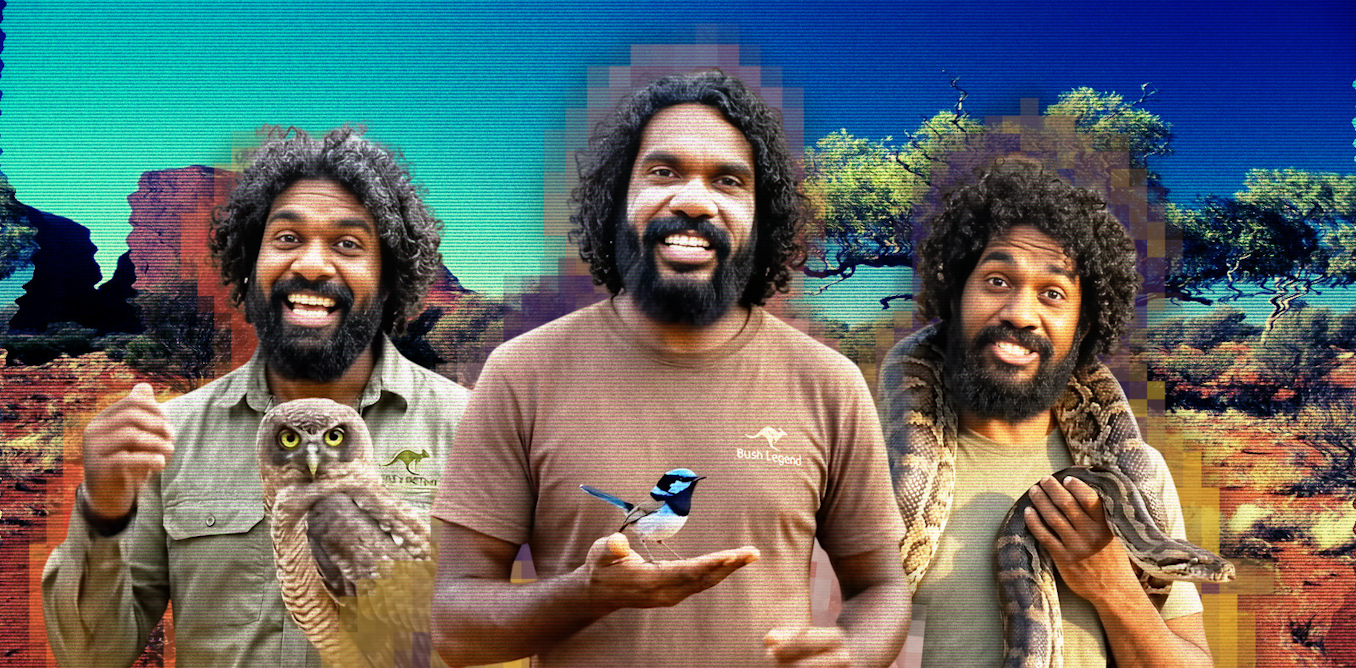
In 2026, we plan to double the number of slots in our paid fellowship program, including new Portuguese and Indonesian tracks. We will expand biodiversity coverage in Australia, add roles to strengthen our impact focus across the newsroom, and increase the availability of short news in more languages to create entry points into longer investigations and features.
By the end of the year, we expect to launch StoryTransformer, an AI-assisted tool designed to adapt verified journalism into formats and languages that frontline communities can use. It is built for what we think of as micro decision-makers—farmers, fishers, and local leaders whose choices shape ecosystems and resilience every day. It will allow us to work in languages we could not otherwise support and to expand hiring of editors embedded in those communities.
The work remains incremental. Journalism rarely changes the world all at once. But in 2025, it continued to shape outcomes in concrete ways, across regions and issues that matter.
Credits