Rugged does not have to mean a brick
Written by admin on January 20, 2026
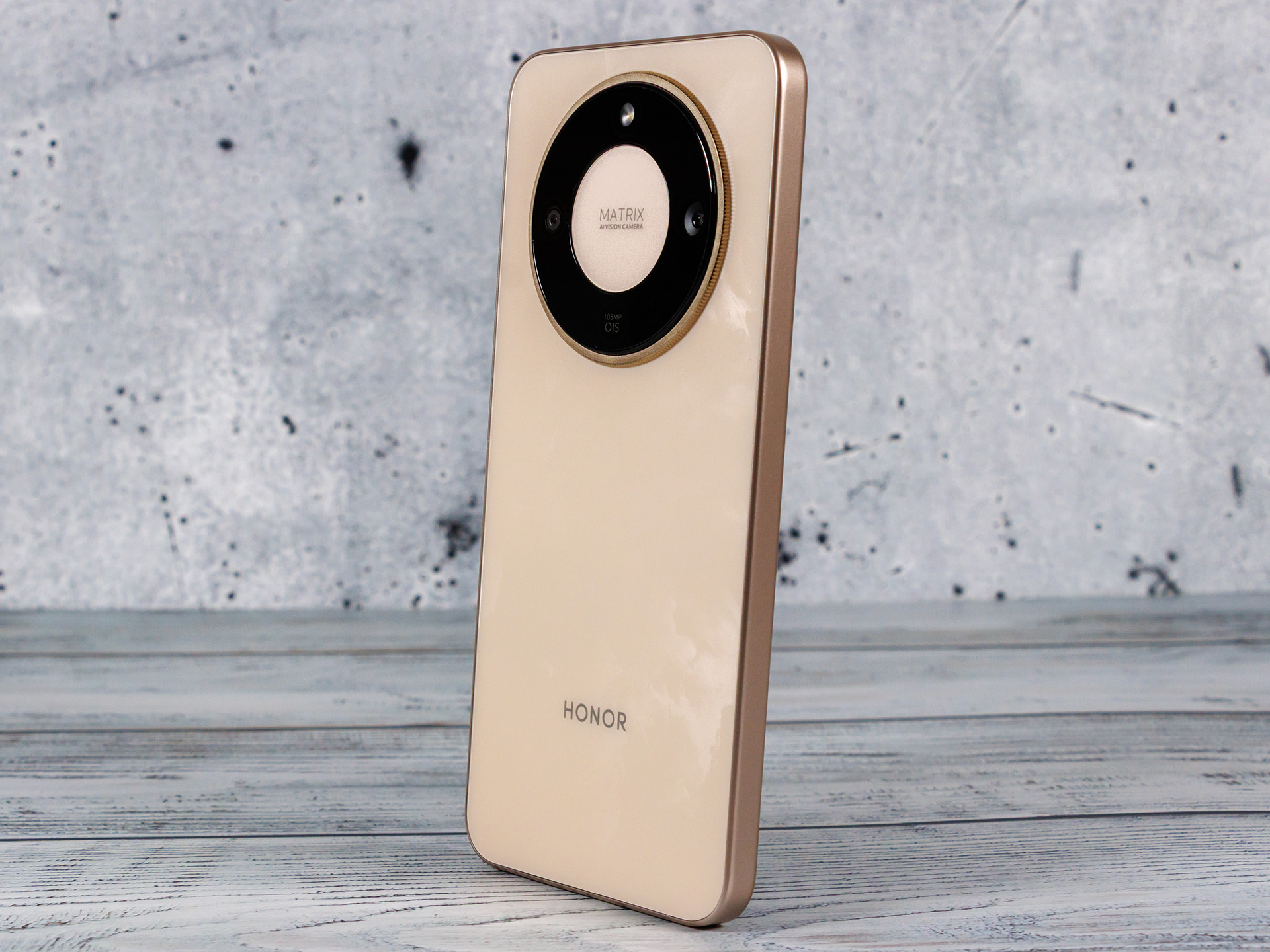
The Honor Magic8 Lite is a robust mid-range smartphone that succeeds the Magic7 Lite and serves as the global counterpart to the Honor X70. It combines rugged features such as IP68/IP69K protection, drop resistance from heights of up to 2.5 metres and temperature resistance from −30 to +55 °C with a slim design. The 6.79-inch OLED display impresses with a 120-Hz refresh rate, HDR brightness of up to 6,000 cd/m², 3,840-Hz PWM dimming and good outdoor readability.
The 108-MP main camera delivers solid photos, but the ultra-wide-angle camera and low-light performance fall short. The Snapdragon 6 Gen 4 paired with 8 GB of RAM ensures decent performance. Wi-Fi is stable but slow, and the speakers tend to distort at maximum volume. The 7,500-mAh battery offers excellent runtimes. Six years of software updates in Europe help round off an otherwise compromise-laden but well-balanced package.
Pros
+ extremely durable
+ long battery runtimes
+ bright and accurate display
Cons
– sluggish SoC
– slow Wi-Fi
– poor ultra-wide-angle camera
The Magic8 Lite can be purchased directly from Honor, but is also available from retailers such as Amazon.

GUYAHANYER (3-Pack Designed for Honor Magic8 Lite Screen Protector, Anti Scratch 9H+ Tempered Glass Film, HD Easy Installation Bubble Free Screen Protector for Honor Magic8 Lite (6.79″)
- $8.07
GUYAHANYER (4-Pack Designed for Honor Magic8 Lite Screen Protector, Anti Scratch 9H+ Tempered Glass Film, HD Easy Installation Bubble Free Screen Protector for Honor Magic8 Lite (6.79″)
- $5.67
GUYAHANYER (2-Pack Designed for Honor Magic8 Lite Screen Protector, Anti Scratch 9H+ Tempered Glass Film, HD Easy Installation Bubble Free Screen Protector for Honor Magic8 Lite (6.79″)
The Honor Magic8 Lite succeeds the Magic7 Lite and serves as the global counterpart to the Honor X70, which was unveiled in China in July 2025. As with other Honor smartphones, it comes with a smaller battery outside China (8,300 mAh in the Chinese model) and slower charging speeds, while wireless charging is also absent.
Display
6.79 inch 19.8:9, 2640 x 1200 pixel 427 PPI, Capacitive touchscreen, OLED, 3,840-Hz PWM dimming, aluminosilicate glass, glossy: yes, HDR, 120 Hz
Storage
512 GB UFS 3.1 Flash, 512 GB
, 485.24 GB free
Connections
1 USB 2.0, USB-C Power Delivery (PD), 1 Infrared, Audio Connections: USB-C, 1 Fingerprint Reader, NFC, Brightness Sensor, Sensors: accelerometer, compass, gyro, proximity, OTG, IR-Blaster
Networking
802.11 a/b/g/n/ac/ax (a/b/g/n = Wi-Fi 4/ac = Wi-Fi 5/ax = Wi-Fi 6/), Bluetooth 5.2, 2G (850, 900, 1,800, 1,900 MHz), 3G (Band 1, 2, 5, 8), LTE (Band 1, 2, 3, 4, 5, 7, 8, 20, 28, 32, 38, 40, 41), 5G Sub-6 (Band 1, 3, 5, 7, 8, 20, 28, 38, 40, 41, 71, 77, 78), Dual SIM, LTE, 5G, GPS
Size
height x width x depth (in mm): 7.76 x 161.9 x 76.1 ( = 0.31 x 6.37 x 3 in)
Battery
7500 mAh Lithium-Polymer, two cells, silicon-carbon anode
Charging
fast charging / Quickcharge
Operating System
Android 15
Camera
Primary Camera: 108 MPix (f/1.75, 24 mm) + 5 MP (ultra-wide, f/2.2, 17 mm); Camera2 API level: Level 3
Secondary Camera: 16 MPix (f/2.45, 24 mm)
Additional features
Speakers: Dual, Keyboard: OnScreen, MagicOS 9.0, 24 Months Warranty, Bluetooth audio codecs: SBC, AAC, aptX, aptX HD, aptX Adaptive, LDAC | GNSS: GPS (L1, L5), GLONASS (L1), BeiDou (B1I, B1C, B2a), Galileo (E1, E5a) | HDR: HLG, HDR10, HDR10+ | DRM: Widevine L1 | SIM: up to 2× Nano-SIM, up to 1× eSIM, Wi-Fi Calling, VoLTE, Vo5G | Protection: IP68 / IP69K | Maximum charging speed: 66 W (wired), fanless, ruggedized, waterproof
Weight
189 g ( = 6.67 oz / 0.42 pounds) ( = 0 oz / 0 pounds)
Note: The manufacturer may use components from different suppliers including display panels, drives or memory sticks with similar specifications.
The Honor Magic8 Lite offers specifications typically associated with a rugged smartphone. It is certified to IP68 and IP69K standards, making it dust- and water-resistant, capable of withstanding high-pressure water jets and hot water vapour. It also survives drops from heights of up to 2.5 metres and operates without restrictions in temperatures ranging from −30 °C to +55 °C. Visually, however, it does not resemble a brick-like rugged phone, instead looking like a conventional smartphone.
Build quality is generally convincing, although the handset creaks noticeably when subjected to torsion. In drop tests, however, it emerges unscathed.
The Magic8 Lite is available with either 256 GB or 512 GB of internal storage.
On paper, the Honor Magic8 Lite supports Wi-Fi 6, but in practice this proves to be comparatively slow in our review and closer to Wi-Fi ac performance levels. Transmission rates are at least stable. All key mobile network frequencies are supported, although overall band coverage is not particularly extensive.
Call quality on the Magic8 Lite is good when the device is held to the ear, but background noise suppression is only moderate.
The capacitive touchscreen responds reliably and integrates an optical fingerprint sensor, which delivers high recognition rates and unlocks the smartphone quickly. In addition, a less secure face unlock feature via the front-facing camera is available. One-handed operation, comprehensive gesture controls and an always-on display are also on board. The vibration motor is subtle and feels like an ERM unit, although Honor does not provide detailed specifications.
| Networking | |
| Honor Magic8 Lite 802.11 a/b/g/n/ac/ax |
|
| iperf3 transmit AXE11000 |
|
| iperf3 receive AXE11000 |
|
| Samsung Galaxy XCover 7 Pro 802.11 a/b/g/n/ac/ax |
|
| iperf3 transmit AXE11000 6GHz |
|
| iperf3 receive AXE11000 6GHz |
|
| Nothing Phone (3a) Pro 802.11 a/b/g/n/ac/ax |
|
| iperf3 transmit AXE11000 |
|
| iperf3 receive AXE11000 |
|
| Google Pixel 9a Wi-Fi 6E |
|
| iperf3 receive AXE11000 |
|
| iperf3 receive AXE11000 |
|
| iperf3 transmit AXE11000 6GHz |
|
| iperf3 receive AXE11000 6GHz |
|
| Average 802.11 a/b/g/n/ac/ax |
|
| iperf3 transmit AXE11000 |
|
| iperf3 receive AXE11000 |
|
| iperf3 transmit AXE11000 6GHz |
|
| iperf3 receive AXE11000 6GHz |
|
| Average of class Smartphone |
|
| iperf3 transmit AXE11000 |
|
| iperf3 receive AXE11000 |
|
| iperf3 transmit AXE11000 6GHz |
|
| iperf3 receive AXE11000 6GHz |
|
Honor Magic8 Lite 802.11 a/b/g/n/ac/ax; iperf3 transmit AXE11000; iperf 3.1.3: Ø500 (483-511)
Honor Magic8 Lite 802.11 a/b/g/n/ac/ax; iperf3 receive AXE11000; iperf 3.1.3: Ø443 (412-453)
The Honor Magic8 Lite still ships with Android 15 and MagicOS 9.0, but is expected to receive the update to Android 16 along with MagicOS 10 in the near future. Compared to the flagship models, the available AI features are slightly limited.
The outer packaging is free of plastics, but Honor does not provide any specific information on the overall sustainability of the product. In Europe, the Magic8 Lite receives six years of security and version updates, while buyers in the rest of the world are only offered two years.

The front-facing camera of the Honor Magic8 Lite takes decent photos, but image quality drops fairly quickly in low-light conditions and the results tend to look somewhat over-sharpened. Details are also lost towards the edges of the frame.
The 108-MP main camera on the rear produces pleasing images and offers a usable 2x zoom via cropping. Beyond that, image quality quickly becomes softer, although a maximum zoom factor of 10x is available. The ultra-wide-angle camera delivers only low resolution and poor results overall.
Video recording with the main camera is possible at 4K at 30 fps or 1,080p at 60 fps. On the front, recording is limited to Full HD at 30 fps at best.
Image comparison
Choose a scene and navigate within the first image. One click changes the position on touchscreens. One click on the zoomed-in image opens the original in a new window. The first image shows the scaled photograph of the test device.
Main cameraMain cameraUltra-wide-angle lens5x zoomLow light

click to load images

8.2 ∆E
8.8 ∆E
10 ∆E
10.4 ∆E
8.9 ∆E
8.7 ∆E
5.5 ∆E
7.2 ∆E
9.8 ∆E
7.9 ∆E
8.2 ∆E
7.4 ∆E
7.9 ∆E
9.5 ∆E
10.7 ∆E
5.1 ∆E
9.4 ∆E
11.3 ∆E
4.3 ∆E
3.1 ∆E
7.1 ∆E
7.4 ∆E
4 ∆E
7.2 ∆E

29 ∆E
52.6 ∆E
38.6 ∆E
35.9 ∆E
43.7 ∆E
64.3 ∆E
52.5 ∆E
35.3 ∆E
42.3 ∆E
29 ∆E
64.2 ∆E
62.6 ∆E
31.5 ∆E
47.7 ∆E
36.5 ∆E
75.1 ∆E
42.6 ∆E
41 ∆E
84.1 ∆E
69.2 ∆E
51.1 ∆E
36.5 ∆E
23.8 ∆E
13.3 ∆E
The 6.79-inch (17.25 cm) OLED display of the Magic8 Lite delivers a sharp image and supports refresh rates of up to 120 Hz, which can be reduced to 60 Hz either automatically by the system or manually.
Considering its price class, display brightness is very high and reaches up to 6,000 cd/m² in HDR mode. Colour reproduction is well calibrated, and outdoors the panel remains easy to read in most situations.
Honor uses high-frequency PWM dimming at up to 3,840 Hz to make the display easier on the eyes. However, the low base frequency may still pose an issue for sensitive users.
| 1743 cd/m² |
1745 cd/m² |
1757 cd/m² |
||
| 1734 cd/m² |
1754 cd/m² |
1758 cd/m² |
||
| 1746 cd/m² |
1737 cd/m² |
1761 cd/m² |
||
Distribution of brightness
tested with X-Rite i1Pro 3
Maximum: 1761 cd/m² (Nits) Average: 1748.3 cd/m² Minimum: 1.64 cd/m²
Brightness Distribution: 98 %
Center on Battery: 1754 cd/m²
Contrast: ∞:1 (Black: 0 cd/m²)
ΔE ColorChecker Calman: 1.5 | ∀{0.5-29.43 Ø4.77}
ΔE Greyscale Calman: 2.4 | ∀{0.09-98 Ø5}
99.3% sRGB (Calman 2D)
Gamma: 2.27
CCT: 6358 K
| Honor Magic8 Lite OLED, 2640×1200, 6.8″ |
Samsung Galaxy XCover 7 Pro PLS, 2408×1080, 6.6″ |
Nothing Phone (3a) Pro AMOLED, 2392×1080, 6.8″ |
Google Pixel 9a pOLED, 2424×1080, 6.3″ |
|
|---|---|---|---|---|
| Screen |
-136% |
-5% |
7% |
|
| Brightness middle (cd/m²) |
1754 |
495 -72% |
1318 -25% |
1978 13% |
| Brightness (cd/m²) |
1748 |
466 -73% |
1306 -25% |
1775 2% |
| Brightness Distribution (%) |
98 |
86 -12% |
98 0% |
76 -22% |
| Black Level * (cd/m²) |
0.58 |
|||
| Colorchecker dE 2000 * |
1.5 |
5.85 -290% |
1.5 -0% |
1.1 27% |
| Colorchecker dE 2000 max. * |
3.5 |
9.78 -179% |
2.9 17% |
3 14% |
| Greyscale dE 2000 * |
2.4 |
7 -192% |
2.3 4% |
2.2 8% |
| Gamma |
2.27 97% |
2.231 99% |
2.26 97% |
2.22 99% |
| CCT |
6358 102% |
8691 75% |
6819 95% |
6622 98% |
| Contrast (:1) |
853 |
* … smaller is better
Screen Flickering / PWM (Pulse-Width Modulation)
ℹ
To dim the screen, some notebooks will simply cycle the backlight on and off in rapid succession – a method called Pulse Width Modulation (PWM) . This cycling frequency should ideally be undetectable to the human eye. If said frequency is too low, users with sensitive eyes may experience strain or headaches or even notice the flickering altogether.
| Screen flickering / PWM detected | 60 Hz Amplitude: 14.56 % Secondary Frequency: 3846 Hz |
 |
|
|
The display backlight flickers at 60 Hz (worst case, e.g., utilizing PWM) . The frequency of 60 Hz is very low, so the flickering may cause eyestrain and headaches after extended use. In comparison: 53 % of all tested devices do not use PWM to dim the display. If PWM was detected, an average of 8083 (minimum: 5 – maximum: 343500) Hz was measured. |
|||
Measurement series with fixed zoom level and different brightness settings (The amplitude curve at minimum brightness looks flat, but this is due to the scaling. The info box shows the enlarged version of the amplitude at minimum brightness)
Display Response Times
ℹ
Display response times show how fast the screen is able to change from one color to the next. Slow response times can lead to afterimages and can cause moving objects to appear blurry (ghosting). Gamers of fast-paced 3D titles should pay special attention to fast response times.
| ↔ Response Time Black to White | ||
|---|---|---|
| 1.07 ms … rise ↗ and fall ↘ combined | ↗ 0.5315 ms rise |
 |
| ↘ 0.5395 ms fall | ||
| The screen shows very fast response rates in our tests and should be very well suited for fast-paced gaming. In comparison, all tested devices range from 0.1 (minimum) to 240 (maximum) ms. » 4 % of all devices are better. This means that the measured response time is better than the average of all tested devices (20.2 ms). |
||
| ↔ Response Time 50% Grey to 80% Grey | ||
| 0.68 ms … rise ↗ and fall ↘ combined | ↗ 0.281 ms rise |
 |
| ↘ 0.3985 ms fall | ||
| The screen shows very fast response rates in our tests and should be very well suited for fast-paced gaming. In comparison, all tested devices range from 0.165 (minimum) to 636 (maximum) ms. » 2 % of all devices are better. This means that the measured response time is better than the average of all tested devices (31.6 ms). |
||
The Honor Magic8 Lite is powered by a Qualcomm Snapdragon 6 Gen 4 paired with 8 GB of LPDDR4x RAM. This entry-level SoC delivers solid overall system performance, but no more than that.
Surface temperatures remain largely below 40 °C even under load, rising to a peak of 44.8 °C only in a small area. The SoC itself is unaffected and does not throttle.
The dual speakers provide solid sound output at medium volume, but distort heavily at maximum volume. Bass response is generally weak.
Although the battery is smaller than in the Chinese version, its 7,500 mAh capacity is still very substantial and delivers very good runtimes in our testing. With better efficiency, however, significantly longer runtimes would likely have been possible.
The battery charges at up to 66 watts. In our test, a full charge takes 57 minutes (50% in 19 minutes, 80% in 37 minutes).
| Geekbench 6.5 | |
| Single-Core | |
| Average of class Smartphone (196 – 3883, n=215, last 2 years) |
|
| Google Pixel 9a Google Tensor G4, Mali-G715 MP7, 8192 |
|
| Nothing Phone (3a) Pro Qualcomm Snapdragon 7s Gen 3, Adreno 810, 12288 |
|
| Samsung Galaxy XCover 7 Pro Qualcomm Snapdragon 7s Gen 3, Adreno 810, 6144 |
|
| Honor Magic8 Lite Qualcomm Snapdragon 6 Gen 4, Adreno 810, 8192 |
|
| Average Qualcomm Snapdragon 6 Gen 4 (1110 – 1112, n=2) |
|
| Multi-Core | |
| Average of class Smartphone (830 – 11634, n=215, last 2 years) |
|
| Google Pixel 9a Google Tensor G4, Mali-G715 MP7, 8192 |
|
| Samsung Galaxy XCover 7 Pro Qualcomm Snapdragon 7s Gen 3, Adreno 810, 6144 |
|
| Nothing Phone (3a) Pro Qualcomm Snapdragon 7s Gen 3, Adreno 810, 12288 |
|
| Honor Magic8 Lite Qualcomm Snapdragon 6 Gen 4, Adreno 810, 8192 |
|
| Average Qualcomm Snapdragon 6 Gen 4 (3116 – 3124, n=2) |
|
| 3DMark | |
| Wild Life Score | |
| Samsung Galaxy XCover 7 Pro Qualcomm Snapdragon 7s Gen 3, Adreno 810, 6144 |
|
| Nothing Phone (3a) Pro Qualcomm Snapdragon 7s Gen 3, Adreno 810, 12288 |
|
| Honor Magic8 Lite Qualcomm Snapdragon 6 Gen 4, Adreno 810, 8192 |
|
| Average Qualcomm Snapdragon 6 Gen 4 (n=1) |
|
| Average of class Smartphone (270 – 13896, n=97, last 2 years) |
|
| Google Pixel 9a Google Tensor G4, Mali-G715 MP7, 8192 |
|
| Wild Life Unlimited Score | |
| Average of class Smartphone (271 – 30621, n=199, last 2 years) |
|
| Google Pixel 9a Google Tensor G4, Mali-G715 MP7, 8192 |
|
| Samsung Galaxy XCover 7 Pro Qualcomm Snapdragon 7s Gen 3, Adreno 810, 6144 |
|
| Nothing Phone (3a) Pro Qualcomm Snapdragon 7s Gen 3, Adreno 810, 12288 |
|
| Honor Magic8 Lite Qualcomm Snapdragon 6 Gen 4, Adreno 810, 8192 |
|
| Average Qualcomm Snapdragon 6 Gen 4 (n=1) |
|
| Wild Life Extreme | |
| Average of class Smartphone (61 – 8140, n=201, last 2 years) |
|
| Google Pixel 9a Google Tensor G4, Mali-G715 MP7, 8192 |
|
| Samsung Galaxy XCover 7 Pro Qualcomm Snapdragon 7s Gen 3, Adreno 810, 6144 |
|
| Nothing Phone (3a) Pro Qualcomm Snapdragon 7s Gen 3, Adreno 810, 12288 |
|
| Honor Magic8 Lite Qualcomm Snapdragon 6 Gen 4, Adreno 810, 8192 |
|
| Average Qualcomm Snapdragon 6 Gen 4 (n=1) |
|
| Wild Life Extreme Unlimited | |
| Average of class Smartphone (62 – 8102, n=200, last 2 years) |
|
| Google Pixel 9a Google Tensor G4, Mali-G715 MP7, 8192 |
|
| Samsung Galaxy XCover 7 Pro Qualcomm Snapdragon 7s Gen 3, Adreno 810, 6144 |
|
| Nothing Phone (3a) Pro Qualcomm Snapdragon 7s Gen 3, Adreno 810, 12288 |
|
| Honor Magic8 Lite Qualcomm Snapdragon 6 Gen 4, Adreno 810, 8192 |
|
| Average Qualcomm Snapdragon 6 Gen 4 (n=1) |
|
| GFXBench | |
| on screen Aztec Ruins Normal Tier Onscreen | |
| Average of class Smartphone (6.2 – 166, n=212, last 2 years) |
|
| Google Pixel 9a Google Tensor G4, Mali-G715 MP7, 8192 |
|
| Nothing Phone (3a) Pro Qualcomm Snapdragon 7s Gen 3, Adreno 810, 12288 |
|
| Honor Magic8 Lite Qualcomm Snapdragon 6 Gen 4, Adreno 810, 8192 |
|
| Average Qualcomm Snapdragon 6 Gen 4 (n=1) |
|
| Samsung Galaxy XCover 7 Pro Qualcomm Snapdragon 7s Gen 3, Adreno 810, 6144 |
|
| 1920×1080 Aztec Ruins Normal Tier Offscreen | |
| Average of class Smartphone (3.4 – 367, n=212, last 2 years) |
|
| Google Pixel 9a Google Tensor G4, Mali-G715 MP7, 8192 |
|
| Nothing Phone (3a) Pro Qualcomm Snapdragon 7s Gen 3, Adreno 810, 12288 |
|
| Honor Magic8 Lite Qualcomm Snapdragon 6 Gen 4, Adreno 810, 8192 |
|
| Average Qualcomm Snapdragon 6 Gen 4 (n=1) |
|
| Samsung Galaxy XCover 7 Pro Qualcomm Snapdragon 7s Gen 3, Adreno 810, 6144 |
|
| on screen Aztec Ruins High Tier Onscreen | |
| Google Pixel 9a Google Tensor G4, Mali-G715 MP7, 8192 |
|
| Average of class Smartphone (0.85 – 144, n=213, last 2 years) |
|
| Nothing Phone (3a) Pro Qualcomm Snapdragon 7s Gen 3, Adreno 810, 12288 |
|
| Samsung Galaxy XCover 7 Pro Qualcomm Snapdragon 7s Gen 3, Adreno 810, 6144 |
|
| Honor Magic8 Lite Qualcomm Snapdragon 6 Gen 4, Adreno 810, 8192 |
|
| Average Qualcomm Snapdragon 6 Gen 4 (n=1) |
|
| 2560×1440 Aztec Ruins High Tier Offscreen | |
| Average of class Smartphone (1.2 – 146, n=212, last 2 years) |
|
| Google Pixel 9a Google Tensor G4, Mali-G715 MP7, 8192 |
|
| Nothing Phone (3a) Pro Qualcomm Snapdragon 7s Gen 3, Adreno 810, 12288 |
|
| Honor Magic8 Lite Qualcomm Snapdragon 6 Gen 4, Adreno 810, 8192 |
|
| Average Qualcomm Snapdragon 6 Gen 4 (n=1) |
|
| Samsung Galaxy XCover 7 Pro Qualcomm Snapdragon 7s Gen 3, Adreno 810, 6144 |
|
| 3840×2160 4K Aztec Ruins High Tier Offscreen | |
| Average of class Smartphone (0.54 – 62, n=213, last 2 years) |
|
| Google Pixel 9a Google Tensor G4, Mali-G715 MP7, 8192 |
|
| Nothing Phone (3a) Pro Qualcomm Snapdragon 7s Gen 3, Adreno 810, 12288 |
|
| Honor Magic8 Lite Qualcomm Snapdragon 6 Gen 4, Adreno 810, 8192 |
|
| Average Qualcomm Snapdragon 6 Gen 4 (n=1) |
|
| Samsung Galaxy XCover 7 Pro Qualcomm Snapdragon 7s Gen 3, Adreno 810, 6144 |
|
| Geekbench AI | |
| Single Precision NPU 1.5 | |
| Average of class Smartphone (80 – 5210, n=65, last 2 years) |
|
| Honor Magic8 Lite Qualcomm Snapdragon 6 Gen 4, Adreno 810, 8192 |
|
| Average Qualcomm Snapdragon 6 Gen 4 (n=1) |
|
| Half Precision NPU 1.5 | |
| Average of class Smartphone (80 – 36297, n=65, last 2 years) |
|
| Honor Magic8 Lite Qualcomm Snapdragon 6 Gen 4, Adreno 810, 8192 |
|
| Average Qualcomm Snapdragon 6 Gen 4 (n=1) |
|
| Quantized NPU 1.5 | |
| Average of class Smartphone (133 – 49889, n=65, last 2 years) |
|
| Honor Magic8 Lite Qualcomm Snapdragon 6 Gen 4, Adreno 810, 8192 |
|
| Average Qualcomm Snapdragon 6 Gen 4 (n=1) |
|
| CrossMark | |
| Overall | |
| Average of class Smartphone (187 – 2722, n=123, last 2 years) |
|
| Nothing Phone (3a) Pro Qualcomm Snapdragon 7s Gen 3, Adreno 810, 12288 |
|
| Honor Magic8 Lite Qualcomm Snapdragon 6 Gen 4, Adreno 810, 8192 |
|
| Average Qualcomm Snapdragon 6 Gen 4 (n=1) |
|
| Samsung Galaxy XCover 7 Pro Qualcomm Snapdragon 7s Gen 3, Adreno 810, 6144 |
|
| Google Pixel 9a Google Tensor G4, Mali-G715 MP7, 8192 |
|
| Productivity | |
| Average of class Smartphone (198 – 2317, n=123, last 2 years) |
|
| Nothing Phone (3a) Pro Qualcomm Snapdragon 7s Gen 3, Adreno 810, 12288 |
|
| Honor Magic8 Lite Qualcomm Snapdragon 6 Gen 4, Adreno 810, 8192 |
|
| Average Qualcomm Snapdragon 6 Gen 4 (n=1) |
|
| Samsung Galaxy XCover 7 Pro Qualcomm Snapdragon 7s Gen 3, Adreno 810, 6144 |
|
| Creativity | |
| Average of class Smartphone (163 – 1992, n=123, last 2 years) |
|
| Nothing Phone (3a) Pro Qualcomm Snapdragon 7s Gen 3, Adreno 810, 12288 |
|
| Honor Magic8 Lite Qualcomm Snapdragon 6 Gen 4, Adreno 810, 8192 |
|
| Average Qualcomm Snapdragon 6 Gen 4 (n=1) |
|
| Samsung Galaxy XCover 7 Pro Qualcomm Snapdragon 7s Gen 3, Adreno 810, 6144 |
|
| Responsiveness | |
| Average of class Smartphone (239 – 13042, n=123, last 2 years) |
|
| Honor Magic8 Lite Qualcomm Snapdragon 6 Gen 4, Adreno 810, 8192 |
|
| Average Qualcomm Snapdragon 6 Gen 4 (n=1) |
|
| Nothing Phone (3a) Pro Qualcomm Snapdragon 7s Gen 3, Adreno 810, 12288 |
|
| Samsung Galaxy XCover 7 Pro Qualcomm Snapdragon 7s Gen 3, Adreno 810, 6144 |
|
| Jetstream 2 – 2.0 Total Score | |
| Average of class Smartphone (23.8 – 387, n=149, last 2 years) |
|
| Nothing Phone (3a) Pro Qualcomm Snapdragon 7s Gen 3, Adreno 810, 12288 |
|
| Honor Magic8 Lite Qualcomm Snapdragon 6 Gen 4, Adreno 810, 8192 |
|
| Average Qualcomm Snapdragon 6 Gen 4 (n=1) |
|
| Google Pixel 9a Google Tensor G4, Mali-G715 MP7, 8192 |
|
| Honor Magic8 Lite | Samsung Galaxy XCover 7 Pro | Nothing Phone (3a) Pro | Google Pixel 9a | Average 512 GB UFS 3.1 Flash | Average of class Smartphone | |
|---|---|---|---|---|---|---|
| AndroBench 3-5 |
-66% |
-37% |
-33% |
-15% |
-3% |
|
| Sequential Read 256KB (MB/s) |
1948.54 |
1043.4 -46% |
996.23 -49% |
1688.82 -13% |
1874 1023 – 2110, n=36) -4% |
2248 270 – 4370, n=198, last 2 years) 15% |
| Sequential Write 256KB (MB/s) |
1828.13 |
232.6 -87% |
970.63 -47% |
853.5 -53% |
1338 575 – 2028, n=36) -27% |
1887 103.2 – 4051, n=198, last 2 years) 3% |
| Random Read 4KB (MB/s) |
344.19 |
194.4 -44% |
255.89 -26% |
241.03 -30% |
290 208 – 386, n=36) -16% |
299 47.6 – 576, n=198, last 2 years) -13% |
| Random Write 4KB (MB/s) |
412.87 |
63.5 -85% |
304.95 -26% |
261.8 -37% |
357 64.8 – 745, n=36) -14% |
346 9.4 – 987, n=198, last 2 years) -16% |
|
|||||||||||||||||||||||||
| Maximum: 44.8 °C = 113 F Average: 39.3 °C = 103 F |
|||||||||||||||||||||||||
|
|||||||||||||||||||||||||
| Maximum: 40.2 °C = 104 F Average: 36.4 °C = 98 F |
|||||||||||||||||||||||||
Room Temperature 20.6 °C = 69 F | Fluke t3000FC (calibrated) & Voltcraft IR-260
(-) The average temperature for the upper side under maximal load is 39.3 °C / 103 F, compared to the average of 32.9 °C / 91 F for the devices in the class Smartphone.
(±) The maximum temperature on the upper side is 44.8 °C / 113 F, compared to the average of 35.2 °C / 95 F, ranging from 21.9 to 247 °C for the class Smartphone.
(±) The bottom heats up to a maximum of 40.2 °C / 104 F, compared to the average of 34 °C / 93 F
(+) In idle usage, the average temperature for the upper side is 30.1 °C / 86 F, compared to the device average of 32.9 °C / 91 F.
| 3DMark | |
| Wild Life Stress Test Stability | |
| Honor Magic8 Lite Adreno 810, SD 6 Gen 4, 512 GB UFS 3.1 Flash |
|
| Nothing Phone (3a) Pro Adreno 810, SD 7s Gen 3 |
|
| Samsung Galaxy XCover 7 Pro Adreno 810, SD 7s Gen 3, 128 GB UFS 2.1 Flash |
|
| Google Pixel 9a Mali-G715 MP7, Tensor G4, 128 GB UFS 3.1 Flash |
|
| Wild Life Extreme Stress Test | |
| Honor Magic8 Lite Adreno 810, SD 6 Gen 4, 512 GB UFS 3.1 Flash |
|
| Nothing Phone (3a) Pro Adreno 810, SD 7s Gen 3 |
|
| Samsung Galaxy XCover 7 Pro Adreno 810, SD 7s Gen 3, 128 GB UFS 2.1 Flash |
|
| Google Pixel 9a Mali-G715 MP7, Tensor G4, 128 GB UFS 3.1 Flash |
|
| Steel Nomad Light Stress Test Stability | |
| Honor Magic8 Lite Adreno 810, SD 6 Gen 4, 512 GB UFS 3.1 Flash |
|
| Nothing Phone (3a) Pro Adreno 810, SD 7s Gen 3 |
|
| Google Pixel 9a Mali-G715 MP7, Tensor G4, 128 GB UFS 3.1 Flash |
|
Honor Magic8 Lite Adreno 810, SD 6 Gen 4, 512 GB UFS 3.1 Flash: Ø22.8 (22.8-22.9)
Google Pixel 9a Mali-G715 MP7, Tensor G4, 128 GB UFS 3.1 Flash: Ø37 (30.1-55.2)
The Honor Magic8 Lite is a robust mid-range smartphone featuring an extremely durable chassis, a bright 120-Hz OLED display, a large 7,500-mAh battery and a solid main camera. However, it makes compromises compared to the China model in areas such as Wi-Fi performance, speaker quality, the ultra-wide-angle camera and certain convenience features.
Honor Magic8 Lite
– 01/14/2026 v8
Daniel Schmidt
Connectivity
45 / 69 → 65%
Games Performance
16 / 55 → 29%
Application Performance
62 / 85 → 73%
Smartphone – Weighted Average
CO2 Emissions
No Data
Materials
25%
Packaging
90%
Power Use
93.8%
Repairability
20%
Software Updates
100%
 Total Sustainability Score: 54.8%
|
Image |
Model / Review |
Price |
Weight |
Drive |
Display |
|---|---|---|---|---|---|
|
1. 78%
|
Honor Magic8 Lite Qualcomm Snapdragon 6 Gen 4 ⎘ Qualcomm Adreno 810 ⎘ 8 GB Memory, 512 GB |
Amazon: 1. $6.87 GUYAHANYER (3-Pack Designed … 2. $8.07 GUYAHANYER (4-Pack Designed … 3. $5.67 GUYAHANYER (2-Pack Designed … List Price: 400€ |
189 g | 512 GB UFS 3.1 Flash | 6.79″ 2640×1200 427 PPI OLED |
|
2. 75.8%
|
Samsung Galaxy XCover 7 Pro Qualcomm Snapdragon 7s Gen 3 ⎘ Qualcomm Adreno 810 ⎘ 6 GB Memory, 128 GB UFS 2.1 |
Amazon: $599.89 List Price: 609€ |
240 g | 128 GB UFS 2.1 Flash | 6.60″ 2408×1080 400 PPI PLS |
|
3. 79.6%
|
Nothing Phone (3a) Pro Qualcomm Snapdragon 7s Gen 3 ⎘ Qualcomm Adreno 810 ⎘ 12 GB Memory |
Amazon: 1. $6.99 JETech Screen Protector for … 2. $11.99 Ibywind For Nothing Phone (3… 3. $4.99 Fhyeugfy for Nothing Phone (… |
211 g | 6.77″ 2392×1080 388 PPI AMOLED |
|
|
4. 81%
|
Google Pixel 9a Google Tensor G4 ⎘ ARM Mali-G715 MP7 ⎘ 8 GB Memory, 128 GB |
Amazon: 1. $454.00 Google Pixel 9a with Gemini … 2. $6.74 Supershieldz (3 Pack) Design… 3. $5.99 Ferilinso 3 Pack Screen Prot… List Price: 549€ |
185.9 g | 128 GB UFS 3.1 Flash | 6.30″ 2424×1080 421 PPI pOLED |



Transparency
The selection of devices to be reviewed is made by our editorial team. The test sample was given to the author by the manufacturer free of charge for the purposes of review. There was no third-party influence on this review, nor did the manufacturer receive a copy of this review before publication. There was no obligation to publish this review. As an independent media company, Notebookcheck is not subjected to the authority of manufacturers, retailers or publishers.
This is how Notebookcheck is testing
Every year, Notebookcheck independently reviews hundreds of laptops and smartphones using standardized procedures to ensure that all results are comparable. We have continuously developed our test methods for around 20 years and set industry standards in the process. In our test labs, high-quality measuring equipment is utilized by experienced technicians and editors. These tests involve a multi-stage validation process. Our complex rating system is based on hundreds of well-founded measurements and benchmarks, which maintains objectivity. Further information on our test methods can be found here.

Editor of the original article: Daniel Schmidt – Managing Editor Mobile – 815 articles published on Notebookcheck since 2013
As a child I was fascinated by my Commodore 16, and this sparked my enthusiasm for computers. Using my first modem, I surfed the BTX videotext system and later the World Wide Web. I have always been captivated by the latest technologies, and this is especially true for mobile devices such as smartphones and tablets. I’ve been part of the Notebookcheck team since 2013 and have also on occasion written for Notebookinfo.de, and I’m looking forward to testing new innovations for our readers. I like to spend my spare time indulging in photography and barbecues and being with my family.

Translator: Ninh Ngoc Duy – Editorial Assistant – 693285 articles published on Notebookcheck since 2008
My main responsibility as an editorial assistant is maintaining the Library section, which aggregates reviews from other publications and channels. In addition, my daily breakfast is Notebookcheck’s long list of new content, which I comb through to select the most interesting topics for translation from English to French, Italian, Spanish, Portuguese, and Dutch.”
Daniel Schmidt, 2026-01-19 (Update: 2026-01-19)