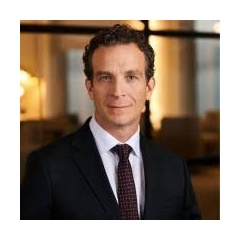
Karma Bertelsen, FUGA’s Marketing Strategy Director, EMEA, in conversation with artist and songwriter, Nina Nesbitt, on how she started her own label, Apple Tree, and how it brought about creative and commercial control of her music. “It’s kind of like if you’re building your own burrito. You pick all the things you want, and you leave out the things you don’t want.”
The following is created in collaboration with Downtown Music, a company DMN is proud to be partnering with.
Karma Bertelsen is FUGA’s marketing strategy director for Europe, Africa, and the Middle East. Nina Nesbitt is a Scottish artist-songwriter who signed with FUGA as a label. On what it takes to start your own label, Bertelsen and Nesbitt agree that it all begins with relationships, building a team of passionate people, and prioritizing quality partners who can handle distribution, marketing, social, etc., across different aspects.
Nesbitt also explains how one should negotiate their needs upfront and prepare for greater involvement in decision-making. Last but not least, protecting one’s wellbeing while juggling various roles and making a conscious effort not to take on too much. “And definitely having thick skin,” Nesbitt adds.
On why she decided to start her own label, Nesbitt says she felt like ‘she didn’t have enough’ on her plate. “I wasn’t busy enough.”
“I’ve been on quite an up and down journey with labels, so it’s something I’ve wanted to do for a while. I signed to a major label when I was 18, and later, had a great experience with an indie label.”
Nesbitt witnessed how labels worked, and had ‘great and not-so-great moments.’ “I’ve been dropped, then signed again. I’ve gone through the sales era, the streaming era, and then the TikTok thing.”
During that time, Nesbitt learned that things are ‘ever changing.’ “Nobody really knows what we’re doing. We’re all just hoping for the best.”
After a decade of being signed to labels, Nesbitt learned that the most crucial element was a team of passionate people and the relationships you choose to nurture.
“When I left the major label and signed with an indie, I was surprised by how supportive people were. Whether it’s journalists or people at Spotify, Apple, or YouTube, they really want to help and support an independent artist.”
Another reason for starting her own label was her wish to extend her working relationship with her manager, Vicky Dowdall. “I thought it could be a good combination to start something together. The role of the manager is so different now, and Vikky and I have worked together since I was 17. I’m now 31. She stood by me through everything and has many skills that I don’t.”
“Vicky’s got a way of making stuff happen. So I was like, let’s start a label.”
Nesbitt was aiming for creative freedom, which meant not having to work around other artists’ schedules on a major label or wait for approvals. “Now, we can just upload music tomorrow, and that feels exciting,” she says.
Talking about her label, Apple Tree Records, Nesbitt shares its vision and core goals, including independence and a celebration of storytelling and lyrics.
On her and Vicky’s specific roles in Apple Tree Records, Nesbitt reveals she usually ‘sticks to the creative stuff,’ and Vicky does the rest. But when they began, Nesbitt admits she had no idea how to start a record label. “Is there an upload feature on Spotify or Apple? Who pays for it? Do we have to pay rent?”
“Then we found FUGA, and it was terrific. It feels more like a label than I imagined, because we have marketing, digital, and socials. If I were on my own, I would have been totally overwhelmed.”
Nesbitt shares that it was a long-time goal to have the label and keep building on it. “But it was a learning process, and Vicky really helped with building the team from there. I wouldn’t have had a clue what to do on my own.”
While the experience was both empowering and daunting for Nesbitt, the label arrangement with FUGA allowed her to experiment with different layers of decision-making — and with minor, crucial details she didn’t anticipate having to handle.
“Being signed to other labels before, I wasn’t even aware of several things that had to be taken care of. Now, I have to decide whether it’s right to run ads at a certain time.”
“My album had segues between each song; we had to be cut perfectly before getting uploaded. It was a stressful job. Then other stuff like making the smart links for release, taking meetings at Spotify, Apple, and YouTube.”
“When I was with the indie label, I did go in for meetings, but someone else would be leading it. Now I go in with my little PowerPoint. It’s nerve-racking but also great because there’s no better person to promote your music than yourself, as the artist. It was nice to be able to do that. But I had a lot of people advising and helping.”
Bertelsen leans into how Nesbitt protects her creativity and wellbeing while juggling the many nuts and bolts of the label. Bertelsen asks, “How do you safeguard yourself from burnout, and balance everything between being an artist and a label owner?”
Nesbitt admits that she’s had her ‘burnout moments.’ “Once I focus on something, it’s absolute tunnel vision, and I can be really intense. So just before we dropped the first single, I told myself that I’m going to burn myself out, and I don’t even care. That’s just me as a person.”
“On one hand, I was having to execute goals as a label: get this album in front of as many people as possible. But as an artist, I was like, I don’t want people to see me.”
“And I’m so lucky that I had FUGA and Vicky. You guys keep me going.”
While FUGA works with quite a few artists who started their own labels, Bertelsen shares she often wonders how challenging it must be to ‘split oneself between being an artist who needs to put music out while being an introvert, and feeling the pressure of: this is now all on me.’
In response, Nesbitt admits it’s a ‘tricky balance.’ “When you’re shy and introverted, the most unnatural thing is putting yourself out for the world to see. But at the same time, that’s all I want. I want people to hear my music, and I want as many people as possible to listen. So it’s a weird internal battle.”
“But I’ve learned that much of it isn’t up to you. You can make the best campaign you can and be really proud of it, but you need that bit of luck and timing. Who’s to say an album that’s a year and a half old won’t suddenly find its audience tomorrow?”
With one big campaign out of the way, Bertelsen asks how Nesbitt would adjust her approach next time, both as an artist and as a label.
“I haven’t really figured that out yet. But maybe I would have to detach myself a bit more from the process, which is really hard when you care so much about something.”
IN FOCUS is Downtown Music’s latest online content series, featuring conversations among Downtown Music team members, their clients, and industry partners. The collection of videos and podcasts offers diverse perspectives on the trends driving evolution in the music business.