Bricks and blocks deliveries continue to fall
Written by admin on November 5, 2025
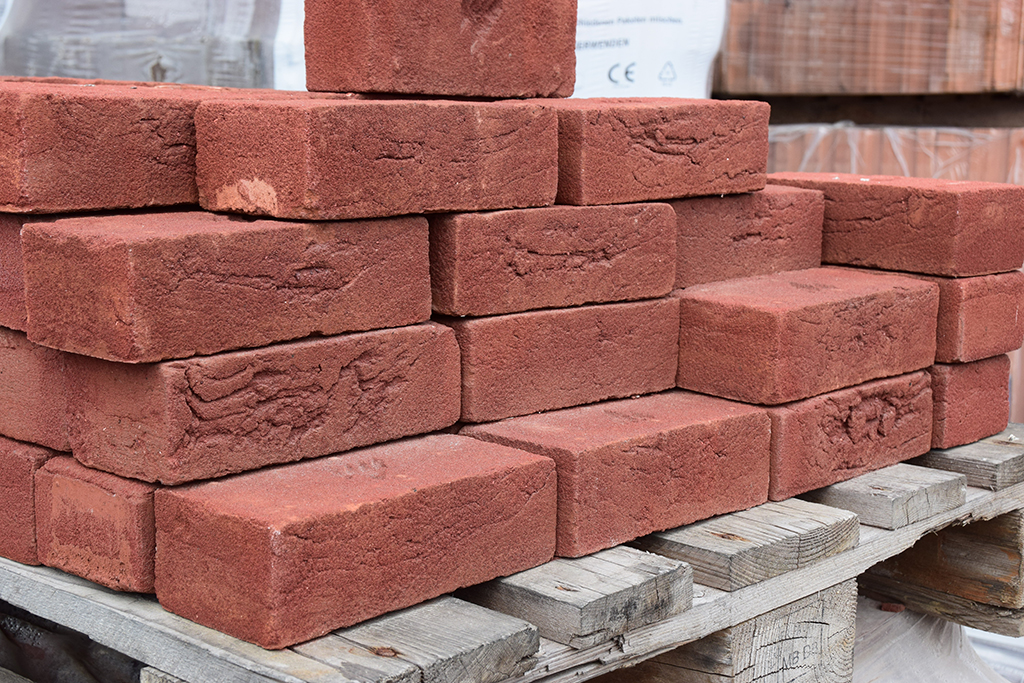
Deliveries of blocks and bricks continued to decrease last month, new data has revealed.
The latest building material statistics from the Department for Business and Trade (DBT) showed that deliveries of bricks decreased by 0.5 per cent in September compared with September 2024.
However, the drop was not as big as in August, which saw a 5.2 per cent decrease year on year.
Deliveries of blocks in September saw a bigger drop of 4.2 per cent compared with the previous year.
It comes as the Mineral Products Association (MPA) warned on Monday (3 November) that heavy-side construction materials remained at “crisis levels”.
In its third quarter data release, the MPA reported further declines in demand for ready-mixed concrete. Sales fell by 0.8 per cent compared with the previous quarter and were 12 per cent lower than in the same period in 2024, continuing a long-running decline.
The DBT’s data, which covers concrete only up to the second quarter of this year, showed concrete dropped by 4.7 per cent compared with the same period the previous year.
Head of construction research at the MPA, Rebecca Larkin, said the data showed there remained a “prolonged weakness” in housebuilding.
“September’s data confirmed that there has been barely any pickup in the sales of bricks, blocks, slate, sand or gravel, which all remain flat or lower compared to a year ago,” she told Construction News.
“Sales are directly linked to construction demand and today’s data confirms that there has now been prolonged weakness in housebuilding and fewer projects starting in the commercial and infrastructure sectors, certainly longer than was expected at the start of the year.
“Uncertainty remains the biggest hurdle to large new starts and the Budget later this month will be one of the key near-term determinants of whether the clouds lift or keep hanging over the industry into 2026.”
The latest DBT data also showed that prices of construction materials have changed and revealed the cost of imported sawn or planed wood saw the highest increase of 13 per cent.
This was followed by the cost of electric water heaters rising 11 per cent and paint by 7 per cent.
However, decreases in costs were seen in gravel and sand, which dropped by 3.8 per cent, and pipes and fittings, which dropped by 0.5 per cent.
According to the data, sales of sand and gravel dropped 1.8 per cent in the third quarter compared with the second quarter this year.
It has seen a 4.9 per cent drop compared with the same period last year.
The DBT said, since 2022, the general trend has been of a decline and levels have “consistently remained below” those seen before the recession of 2008 to 2009.
Last month the Office for National Statistics estimated the total construction output in the three months to August 2025 grew by 0.3 per cent.
However, it said new work had fallen by 0.4 per cent.