STR Weekly Insights: U.S. Hotel Industry Faces RevPAR Decline Amid Strong Global Growth
Written by admin on November 3, 2025
-

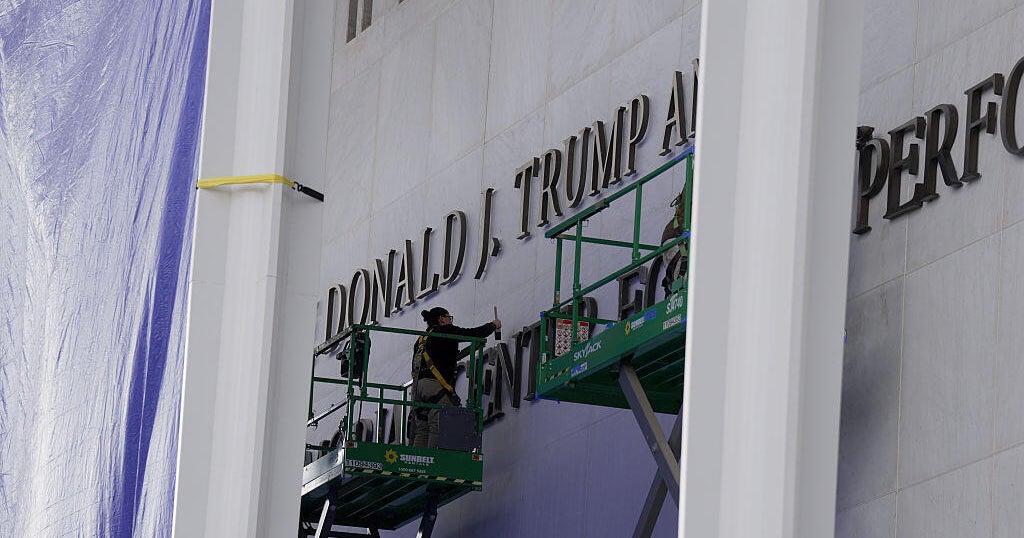
Washington, D.C., was notably impacted by the ongoing government shutdown – Image Credit Unsplash+
The U.S. hotel industry experienced a significant decline in RevPAR due to strong comparisons from last year, while global markets showed robust growth.
U.S. Hotel Industry Faces RevPAR Decline

The U.S. hotel industry faced a challenging week ending October 25, 2025, with a notable decline in Revenue per Available Room (RevPAR) of 5.3% compared to the same period last year. This drop was attributed to decreases in both average daily rate (ADR) and occupancy. The Top 25 Markets significantly influenced this decline, with RevPAR falling by 8.1% in these areas, while other markets saw a 2.5% decrease. Despite no calendar shifts impacting these results, the previous year had seen a remarkable 9.6% increase in RevPAR, driven by substantial occupancy gains and one of the fastest ADR growth rates of 2024
Impact of Historical Comparison
The previous year’s performance was bolstered by exceptional demand, making comparisons for the current year particularly challenging. Last year’s RevPAR increase was widespread, with the Top 25 Markets experiencing a rise of over 10%. Additionally, markets affected by Hurricanes Helene and Milton in 2024 had contributed significantly to last year’s results, which were not replicated this year. Consequently, nearly half of U.S. properties saw a decline in RevPAR of 5% or more, with some experiencing declines exceeding 20%.
Government Shutdown and Conference Shifts
Washington, D.C., was notably impacted by the ongoing government shutdown and changes in conference schedules. The RevPAR in D.C. decreased by 23.8%, largely due to the earlier scheduling of the International Monetary Fund and World Bank Group meetings. Last year, D.C. had seen a 22% increase in RevPAR, driven by ADR growth and increased demand. This year, however, demand fell significantly, highlighting the adverse effects of the government shutdown.
Group Demand and Class Performance
Group demand in Luxury and Upper Upscale class hotels fell for the second consecutive week, down 5.7% compared to last year. The previous year had seen record post-pandemic group demand, making this year’s comparisons difficult. RevPAR declined across all hotel classes, with Luxury hotels experiencing a 3.8% drop, while most other classes saw declines of over 5%. The Economy class was an exception, with a 10% decrease in RevPAR.
Global Markets Show Resilience

In contrast to the U.S., global hotel markets demonstrated strong performance. Excluding the U.S., global RevPAR increased by 6.5%, driven by a 6.6% rise in ADR. Occupancy remained above 75%, despite a slight decline. France led the ADR growth with a 14.8% increase, resulting in a similar rise in RevPAR. Other countries, including Japan, Italy, and Spain, also reported robust RevPAR growth, driven by ADR gains. However, some regions, such as China, the Caribbean, and India, experienced declines, with India’s RevPAR dropping by 37.6% due to Diwali observance.
Takeaways
The U.S. hotel industry’s recent struggles were primarily due to challenging comparisons with last year’s exceptional performance. Despite the decline, demand remained relatively strong, ranking among the highest since 2000. However, the week’s results are expected to impact the overall performance for October, with a projected 1% decline in RevPAR. In contrast, global markets, particularly in Europe and Canada, continued to show resilience, highlighting the varied performance across different regions.
Discover more at STR.