Brand Impersonation: How Businesses Can Stop Costly Phishing Scams
Written by admin on October 27, 2025
Imagine opening an email that looks exactly like it’s from your favorite brand, only to realize too late it was a fake. Brand impersonation scams are on the rise, costing businesses millions and leaving customers vulnerable.
Criminals disguise themselves as trusted brands through fake emails, websites, and social media profiles to trick employees and customers into revealing sensitive information or sending money.
With data breaches averaging nearly $5 million and impersonation attacks surging over 360% since 2020, the risk is real and growing.
In this guide, we’ll share stories and real-world examples of how brand impersonation works, along with practical tips you can use right away. Let’s dive in and see how you can protect yourself and your company from these clever scams.
Key Takeaways
- Brand impersonation exploits trust to launch phishing scams that steal credentials and money.
- Common tactics include domain spoofing, fake social media accounts, and executive impersonation.
- Email authentication, employee training, and domain monitoring are crucial defenses.
Understanding Brand Impersonation and Why It Matters
Brand impersonation is a crafty cyberattack where criminals pose as a legitimate company to trick people into handing over passwords, clicking fake links, or wiring money.
These scams usually come through email, but can also appear on social media or fake websites. The fallout isn’t just inconvenient; it can be devastating, causing financial losses, stolen data, and damaged reputations.
The numbers tell a grim story. Approximately 25% of branded emails received by companies are spoofed or impersonation attempts.
Nearly 97% of employees can’t reliably spot sophisticated phishing attacks, and 45% admit to clicking suspicious emails
The average cost of a data breach globally sits near $4.9 million, a 10% jump from last year. Attackers use several sneaky methods such as
- Typosquatting: Registering domains almost identical to real ones but with small typos, like “amazom.com” instead of “amazon.com.”
- Homoglyph Attacks: Swapping similar-looking characters to fool the eye, such as replacing “rn” with “m.”
- Fake Social Media Profiles: Creating counterfeit accounts that spread phishing links or misinformation.
- Executive Impersonation: Sending fake emails from company leaders asking for urgent wire transfers or confidential info.
Each method preys on trust. When we see a familiar brand name, our guard drops. That’s why brand impersonation remains a top tool for cybercriminals hunting credentials, spreading malware, or committing fraud.
Specific Reputation Threats & Concepts in Brand Impersonation
Brand impersonation doesn’t just steal money or data , it can trigger a reputation threat, sometimes in subtle but lasting ways.
When customers receive emails or social media posts, they might lose confidence in the brand’s ability to protect them.
This erosion of trust can lead to fewer sales, negative reviews, or a drop in customer loyalty.
Common Tactics Employed by Brand Impersonators

Criminals rely on several tricks that lean on human error and trust especially in brand impersonation.
Take typosquatting‘s t surprisingly effective. A tiny mistake in a domain name, like swapping “l” for “1” or missing a letter, can fool even cautious users.
These fake domains often mimic real sites perfectly, making it hard to tell the difference at first glance.
Then there’s the tricky homoglyph attack, which replaces characters with visually similar ones. For instance, swapping “rn” in a domain for “m” lets attackers slip past filters and fool users. It’s a subtle sleight of hand, but it works.
Social media impersonation has exploded too. Fake accounts replicate brand pages, using stolen logos, similar usernames, and even reposted content.
These profiles often share phishing links masked as special offers or customer service messages.
They can also spread misinformation that tarnishes brand credibility. Plus, fake mobile apps mimicking legitimate ones are popping up, designed to steal data or install malware.
Executive impersonation is especially dangerous. Attackers send emails pretending to be CEOs or other top execs, demanding urgent wire transfers or confidential data.
These emails feel official and pressure employees with tight deadlines or threats, making it less likely they’ll question authenticity.
All these tactics bank on trust. Seeing a brand we recognize makes us lower our guard, which cybercriminals exploit relentlessly.
Learning the essentials of public figure reputation management helps prevent identity misuse, protect credibility, and maintain trust with followers and stakeholders.
Fortifying Our Defenses: Practical Steps to Fight Brand Impersonation
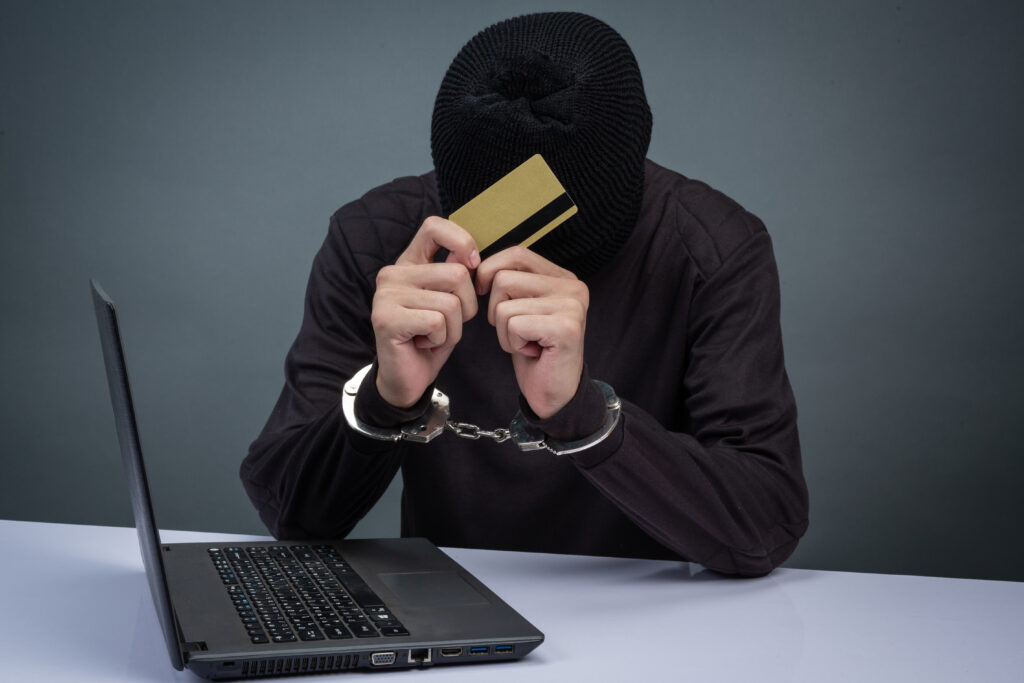
Locking Down Email Security with Authentication Protocols
Email spoofing remains the main gateway for brand impersonation (1). Blocking it requires implementing three key protocols:
- SPF (Sender Policy Framework): This protocol specifies which servers can send emails on behalf of our domain. Publishing an SPF record in DNS helps receiving servers reject unauthorized emails pretending to be from us.
- DKIM (DomainKeys Identified Mail): DKIM adds a digital signature to emails, ensuring that messages haven’t been altered in transit and verifying the sender’s identity.
- DMARC (Domain-based Message Authentication, Reporting & Conformance): DMARC tells email receivers how to treat messages failing SPF or DKIM checks, with policies ranging from monitoring to quarantine or rejection.
Together, these protocols create a strong email shield. Setting them up requires technical know-how and coordination with IT teams and email providers. But once active, they drastically reduce spoofing risks and protect our brand reputation.
Training Our Teams to Spot and Report Phishing Emails
Even the most advanced tech defenses can’t catch every phishing email. Human vigilance is a vital last line of defense. Training employees to spot suspicious emails and report them quickly can save a company from major losses.
We teach employees to watch for:
- Generic greetings or awkward grammar.
- Urgent requests for money or sensitive info.
- Links that don’t match their displayed URLs.
- Unexpected attachments or strange sender addresses.
Regular simulated phishing campaigns test employee awareness and reinforce learning. These controlled exercises turn passive recipients into active defenders.
Plus, having an easy and clear reporting process encourages prompt alerts to the security team, enabling fast containment.
Knowing how to remove personal information from Google can help reduce data exposure that attackers might exploit in impersonation attempts.
Blocking Malicious Emails with Advanced Spam Filters
Spam filters are frontline defenses that stop malicious emails from reaching inboxes. Modern filters analyze more than just keywords, they also assess sender reputation, email structure, and behavior patterns.
We add custom filtering rules to block emails from suspicious or lookalike domains, especially those linked to typosquatting.
Since attackers constantly evolve, filters must be regularly updated with the latest threat intel to stay effective.
These filters reduce the number of phishing emails employees see, cutting down the chances of accidental clicks.
Monitoring for Fraudulent Domains to Act Early
Fake domains designed to mimic our brand fuel phishing campaigns and spoofed emails. Domain monitoring tools scan for new registrations resembling our brand and alert us immediately.
Early alerts let us:
- Initiate take-down requests quickly.
- Pursue legal action against domain squatters.
- Protect our intellectual property.
Having a practiced take-down procedure is key. The faster we respond, the less time attackers have to exploit fake domains.
Legal action, while often slow, sends a message that misuse won’t be tolerated, discouraging repeat offenders.
Protecting Our Brand on Social Media
Fake social media accounts can trick customers into sharing sensitive info or spreading falsehoods that harm our brand.
We use monitoring tools to track brand mentions and spot counterfeit profiles fast. Reporting these fakes to social platforms leads to their removal, shrinking the attack surface.
Verifying official accounts with social media platforms adds trust and helps customers distinguish real from fake. Maintaining consistent branding and messaging across all channels strengthens our identity and reduces confusion.
Staying Ahead of Brand Impersonation Threats
Brand impersonation is evolving rapidly. Attackers now harness AI to craft more convincing phishing emails and fake websites. They combine domain spoofing with social engineering tactics designed to fool even cautious users.
Phishing campaigns increasingly target sectors like finance, retail, and tech, often causing multimillion-dollar losses. The financial impact is just one part of the damage; losing customer trust and tarnishing brand reputation can have long-lasting effects.
No single defense is enough anymore. Layered security, combining strong email authentication, employee training, spam filtering, domain monitoring, and active social media management that offers the best protection (2).
Companies investing in these areas report fewer successful phishing attacks and lower risk overall. It’s a continuous commitment, but the rewards include financial savings and stronger customer confidence.
Staying Ahead of the Curve in Brand Protection

Brand impersonation isn’t some distant worry, it’s a clear and present danger costing millions and eroding trust daily.
The protective steps outlined here, email authentication with SPF, DKIM, DMARC, employee training, spam filtering, domain monitoring, and social media vigilance, aren’t extras anymore.
They’re essential shields against increasingly clever attacks.
Taking these seriously gives businesses a fighting chance. But this isn’t a “set it and forget it” situation. Cyber threats evolve constantly, demanding ongoing updates and vigilance. Complacency invites disaster.
If there’s one thing to remember: protecting our brand from impersonation means acting now and keeping defenses sharp. The cost of ignoring these risks is simply too high.
FAQ
What exactly is brand impersonation?
Brand impersonation happens when scammers pretend to be our company using fake emails, websites, or social media profiles. Their goal is to trick customers or employees into giving away sensitive information or money.
These attacks damage our reputation, cause financial loss, and disrupt business operations. It’s a growing threat that relies on exploiting the trust people have in our brand. Being aware of this helps us prepare and protect ourselves better.
How do phishing attacks relate to brand impersonation?
Phishing is a key method used in brand impersonation. Attackers send fake emails or messages that look like they come from us or someone we trust. These messages often contain links or attachments designed to steal passwords, financial data, or install malware.
Furthermore, phishing plays on trust and urgency, it’s one of the most effective ways impersonators succeed. Fighting phishing helps us stop many impersonation scams before they cause harm.
Why is email authentication important?
Email authentication protocols such as SPF, DKIM, and DMARC help verify that emails claiming to be from our domain are legitimate. They act like digital ID checks for messages, preventing attackers from spoofing our email address.
This reduces the chance that customers or employees will receive fraudulent emails pretending to be from us. Properly setting up these protocols is a foundational step in defending our brand against impersonation attacks.
Can employees really help stop impersonation scams?
Yes, our employees are a vital line of defense. Training helps them recognize signs of phishing emails, such as urgent demands, strange links, or unusual language.
When staff know what to look for and feel comfortable reporting suspicious emails, we catch threats early.
Regular simulated phishing tests reinforce awareness, making our team vigilant and less likely to fall for scams. People’s actions often make the difference between a stopped attack and a costly breach.
How do fake domains harm our brand?
Fake domains are websites registered with names very similar to ours, often differing by one letter or using lookalike characters. These sites trick customers into thinking they’re legitimate, leading to stolen credentials, payment fraud, or misinformation spreading.
The damage isn’t just financial, it erodes the trust customers have in our brand. Detecting and acting quickly to shut down these domains is essential to protect both our reputation and our customers.
What’s the role of social media monitoring?
Social media monitoring allows us to track mentions of our brand and identify fake profiles pretending to be us. Attackers use these fake accounts to spread phishing links or false information, confusing customers and harming our reputation.
By actively watching social channels, we can report and remove imposters faster, ensuring customers know where to find the real us. Consistent branding and verified accounts further help customers distinguish authentic profiles from scams.
Are spam filters enough to block all phishing emails?
Spam filters are an important tool that catch many malicious emails before they reach our inboxes. They analyze sender reputation, message content, and other signals to block threats.
However, no filter is perfect as some phishing emails still get through.
That’s why spam filtering works best alongside employee training and domain monitoring. Together, these layers of defense reduce risk significantly but require ongoing maintenance and updates to stay effective.
How often should we update our defenses?
We should update our defenses regularly because attackers are constantly changing their tactics. New phishing techniques, fake domains, and social media scams appear frequently, so staying current with threat intelligence is crucial.
This means reviewing email authentication settings, training employees often, updating spam filters, and keeping domain and social media monitoring active. Continuous vigilance helps us respond quickly and keeps our protection strong against evolving impersonation attacks.
What happens if an executive’s identity is impersonated?
When attackers impersonate executives, they often send urgent emails requesting wire transfers or sensitive data. Employees may trust these messages because they appear to come from authority figures, leading to costly financial losses or data breaches.
Detecting this kind of spear phishing requires training employees to question unusual requests and verify them through separate channels. Early spotting and verification can prevent serious damage caused by executive impersonation scams.
Is brand impersonation only a tech problem?
Brand impersonation is not just a technical issue; it involves people and processes too.
Technology like email authentication and spam filters is essential, but without trained employees who recognize scams and clear procedures for reporting threats, defenses fall short.
A security-conscious culture, combined with technical tools and monitoring, creates a well-rounded protection strategy. Both technology and human awareness must work together to effectively block impersonation attacks.
Conclusion
Brand impersonation isn’t just a nuisance; it’s a costly risk that can cripple businesses financially and reputationally.
Staying alert and adapting to new threats is crucial since attackers constantly evolve.
Acting decisively and maintaining layered protections gives businesses a fighting chance to cut losses, protect sensitive data, and keep customer trust intact over the long haul.
To further strengthen your brand’s credibility and visibility, consider using NewswireJet, a press release distribution service that helps businesses get featured on major media outlets like NBC, CBS, Google News, and Yahoo.
References
- https://medium.com/@dexpose9/the-importance-of-brand-protection-in-the-digital-era-2870dc6793d3
- https://medium.com/authority-magazine/staying-ahead-with-threat-intelligence-fredrik-torstensson-of-f-secure-on-how-to-stay-informed-and-ea07bdcc088d